Unveiling Patterns in User Retention Linked to Promotional Incentives Across Virtual Casino Ecosystems
Written by Logan Sullivan · May 21, 2026
Unveiling Patterns in User Retention Linked to Promotional Incentives Across Virtual Casino Ecosystems
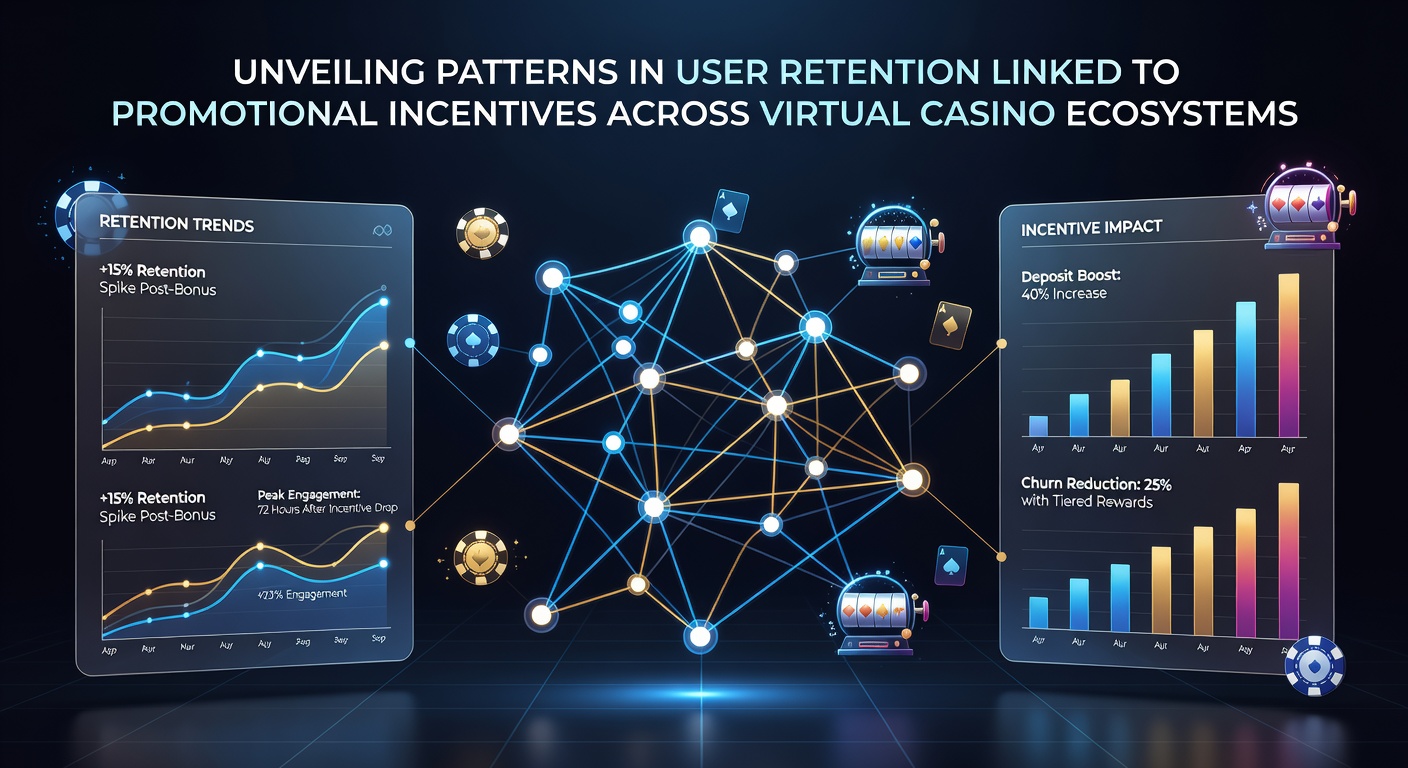
Virtual casino platforms have expanded rapidly in recent years, and analysts track how promotional incentives shape long-term user engagement. Data collected through 2025 into May 2026 reveals distinct retention curves that vary by incentive type, and these patterns emerge consistently across multiple digital ecosystems.
Core Incentive Structures Driving Engagement
Operators deploy welcome bonuses, free spin packages, and tiered loyalty rewards to attract new accounts, yet retention metrics depend on how these offers evolve after the initial deposit cycle. Studies from industry research groups indicate that users who receive matched deposit bonuses above a certain threshold maintain active sessions for an average of 45 days longer than those limited to smaller one-time credits, and this gap widens when reload offers arrive on a predictable schedule.
Those who study player behavior note that deposit-match promotions paired with cashback percentages create the strongest bridge between acquisition and sustained play. Cashback mechanisms return a portion of net losses directly to player wallets, and this immediate feedback loop encourages continued logins even after early losing streaks.
Observed Retention Patterns Across Platforms
Longitudinal data sets compiled by analytics firms show that retention rates peak when incentives combine short-term excitement with medium-term progression. Players advance through loyalty tiers that unlock escalating benefits, and these milestones keep accounts active for periods exceeding six months in many tracked cohorts. Platforms that reset progress too frequently experience steeper drop-offs once users exhaust the introductory offers.
What's interesting is how regional regulatory environments influence these patterns. In markets where operators must publish clear terms for bonus wagering requirements, users demonstrate higher completion rates and subsequent retention compared with regions that allow vague conditions. Figures released by the Australian Communications and Media Authority highlight that transparent wagering rules correlate with a 22 percent increase in month-three retention among bonus recipients.
Comparative Impact of Different Promotion Types
Free spin campaigns generate quick spikes in daily active users, but researchers tracking behavior across independent sites find these spikes rarely translate into multi-month loyalty unless operators layer in additional rewards. Loyalty points that convert into real-money credits or exclusive tournament entries produce more durable engagement, and this holds true whether the platform focuses on slots, table games, or live dealer offerings.
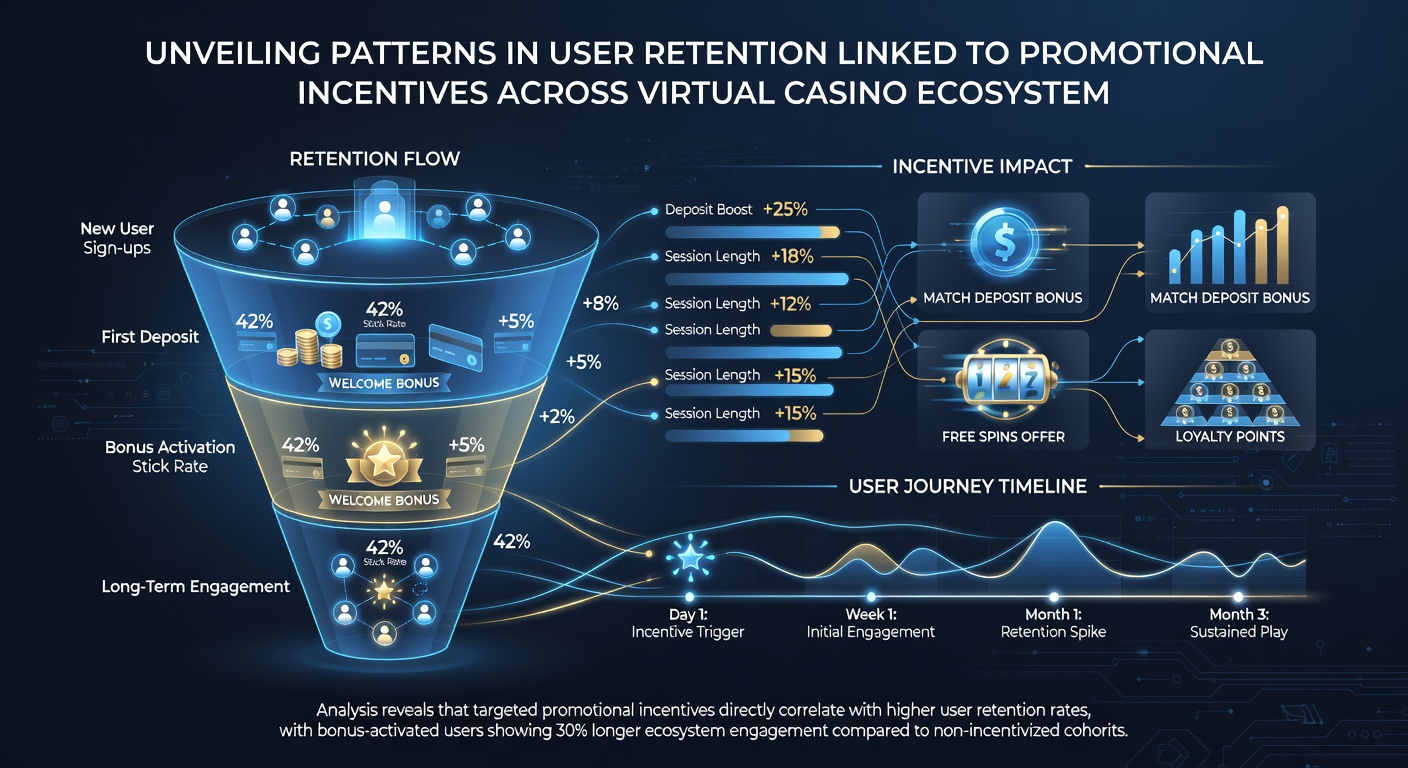
Take one dataset released by a European gaming research consortium in early 2026. It compared two cohorts on similar platforms: one group received only welcome bonuses while the second group accessed an ongoing points system. The second group showed a 37 percent higher retention rate at the 90-day mark, and the difference persisted even after both groups reached similar lifetime deposit totals.
Timing and Frequency Considerations
Promotional calendars also matter. Platforms that space reload bonuses at irregular intervals see lower open rates for email and push notifications, whereas consistent weekly or bi-weekly offers maintain higher engagement without causing user fatigue. Analysts tracking activity through May 2026 observed that users respond best when offers arrive on the same weekday each week, allowing them to plan deposit timing around personal schedules.
Seasonal campaigns tied to major sporting events or holidays produce temporary lifts in new registrations, yet retention beyond the event window depends on whether operators transition users into permanent loyalty structures. Without that handoff, many accounts become dormant once the limited-time promotion ends.
Conclusion
Patterns in user retention across virtual casino ecosystems continue to evolve as operators refine incentive models and regulators adjust transparency requirements. Data gathered through spring 2026 demonstrates that combinations of immediate rewards and structured progression deliver the most consistent long-term activity, and platforms that align promotional timing with user expectations maintain stronger cohort survival rates. Continued monitoring by industry groups and academic researchers will clarify how these dynamics shift with new game formats and regulatory changes in different jurisdictions.