Tiered Membership Impacts on Game Type Choices in Multi-Venue Gambling Networks
Written by Felix Lorenz · Jun 21, 2026
Tiered Membership Impacts on Game Type Choices in Multi-Venue Gambling Networks
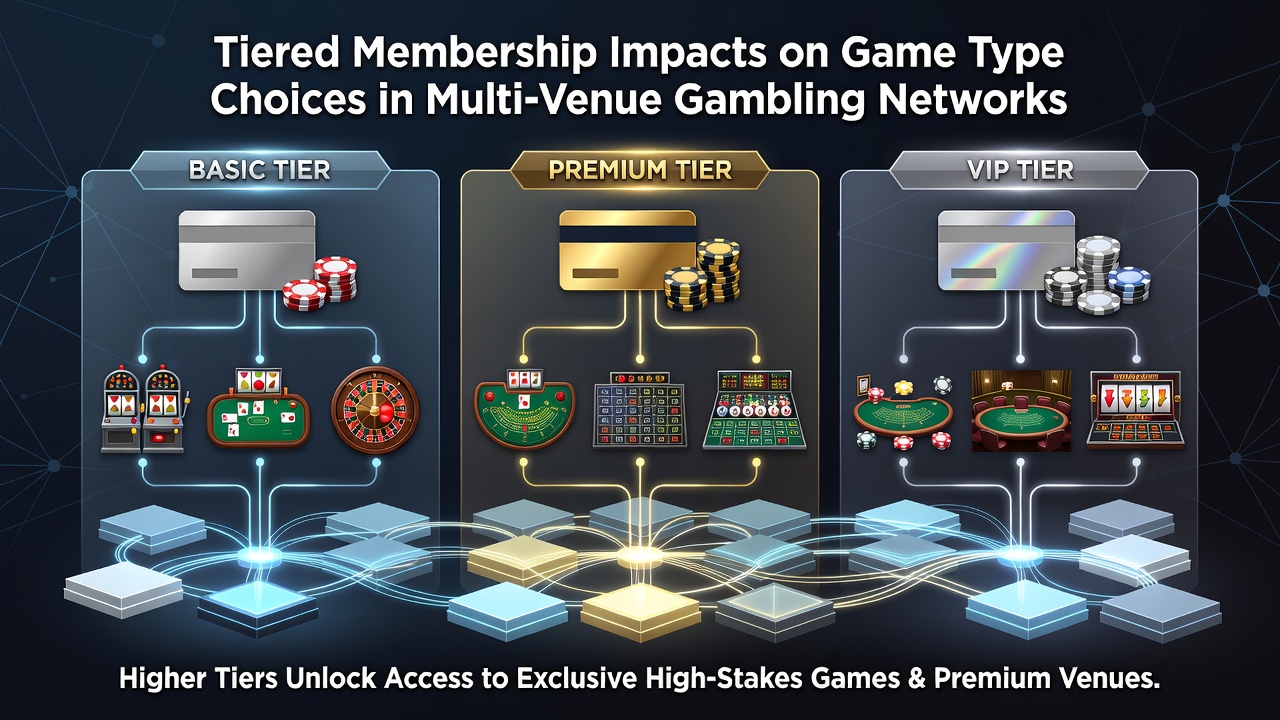
Tiered membership structures operate as core components within multi-venue gambling networks where operators link properties through unified loyalty systems that track player activity across locations and award escalating benefits based on accumulated points or spend levels. These programs divide participants into categories such as entry, mid, and premium tiers with each level granting distinct access to rewards that shape decisions about which games to play at different sites. Data from network operators shows that higher-tier members frequently shift toward games offering extended play sessions or specific comp structures while lower-tier players remain concentrated on high-volume options with quicker reward cycles.
Mechanics of Cross-Venue Tier Progression
Networks consolidate play data from multiple properties into single accounts so that activity at one venue contributes directly to tier status usable at all connected locations. Points earned through slot wagers or table game action convert into tier credits at predetermined rates while bonus multipliers apply during promotional periods. Observers note that this integration allows players to maintain consistent benefits when moving between sites yet it also creates patterns where individuals select games that maximize point accumulation rates relative to their current tier goals. Research from regional gaming authorities indicates that networks with five or more properties report higher cross-venue movement among mid-tier members compared with those holding only two or three locations.
Observed Shifts in Game Type Selection by Tier
Entry-level members tend to favor electronic gaming devices with lower denomination bets because these options deliver frequent small wins and steady point earnings without requiring large initial outlays. Mid-tier participants demonstrate increased engagement with table games such as blackjack and roulette where comped meals or hotel stays offset potential session losses and extend overall play time. Premium-tier individuals allocate more activity toward high-limit rooms and progressive jackpot machines because networks often tie exclusive access and larger reward redemptions to these categories. Figures from June 2026 network reports reveal that premium members increased table game volume by measurable margins at secondary venues once they achieved status thresholds that unlocked dedicated host services.
Influence of Reward Structures on Venue-Specific Choices
Comped offers tied to tier status frequently specify game categories at particular properties which steers participants toward those options when visiting secondary locations. A player holding mid-tier status might receive free play credits restricted to slots at one site yet receive table game match play at another which alters typical selection patterns during travel between venues. Studies compiled by industry research groups show that networks adjusting comp formulas to favor certain game types at underutilized properties achieve measurable redistribution of player traffic. Those adjustments produce corresponding changes in average session length and total handle per visit across the network.
Data Patterns Across Major Networks
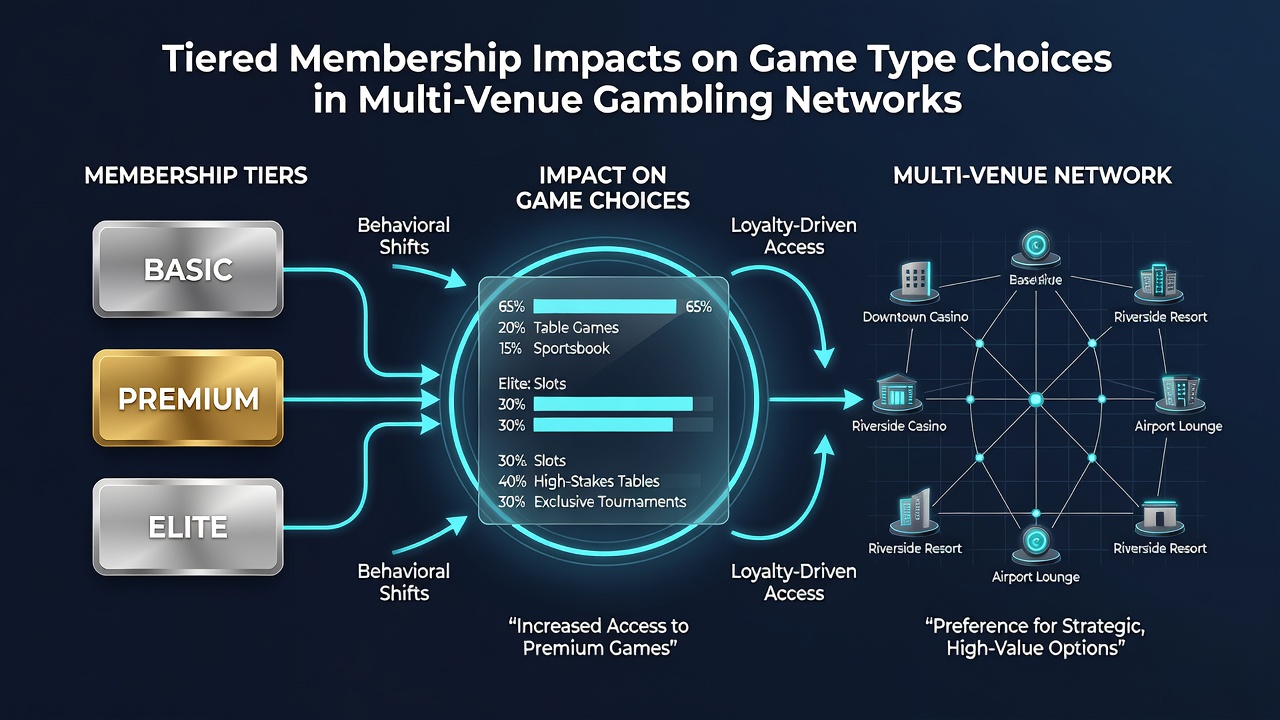
Analysis of aggregated transaction records from several large operators demonstrates that tier advancement correlates with measurable redistribution of play across game categories. Members advancing from entry to mid-tier show reduced concentration on penny slots and increased allocation toward quarter and dollar machines along with initial table game trials. Premium tier holders further diversify into specialty games and tournaments offered only at flagship properties within the same network. According to information released by the Nevada Gaming Control Board, networks operating multiple Las Vegas Strip and off-Strip locations recorded distinct game mix variations between tier groups during the first half of 2026. Similar patterns appear in reports from the Australian Gaming Council covering multi-site operators in New South Wales and Queensland.
Seasonal and Promotional Adjustments
Networks modify point earning rates and comp structures during peak periods which temporarily influences tier-driven game choices. Summer tournament schedules and holiday bonus multipliers often emphasize table game participation for higher tiers while maintaining slot-focused offers for lower levels. These adjustments create short-term spikes in specific game volumes at secondary venues as members travel to maximize new reward opportunities. Records from June 2026 show several networks extending table game promotions to mid-tier members at regional properties to balance floor utilization across their portfolios.
Conclusion
Tiered membership systems within multi-venue gambling networks establish clear linkages between status level and game type preferences that manifest across connected properties. Point structures and comp rules guide players toward categories that align with their current tier benefits while cross-venue portability encourages exploration of different game mixes at secondary locations. Available data from regulatory bodies and industry organizations documents consistent patterns in these shifts with higher tiers showing greater diversification and lower tiers maintaining focus on volume-based options. Networks continue to refine these programs in response to observed player behavior across their properties.