The Role of Loyalty Program Designs in Fostering Cross-Platform Activity Within Online Gambling Ecosystems
Written by Leon Hansen · Aug 18, 2026
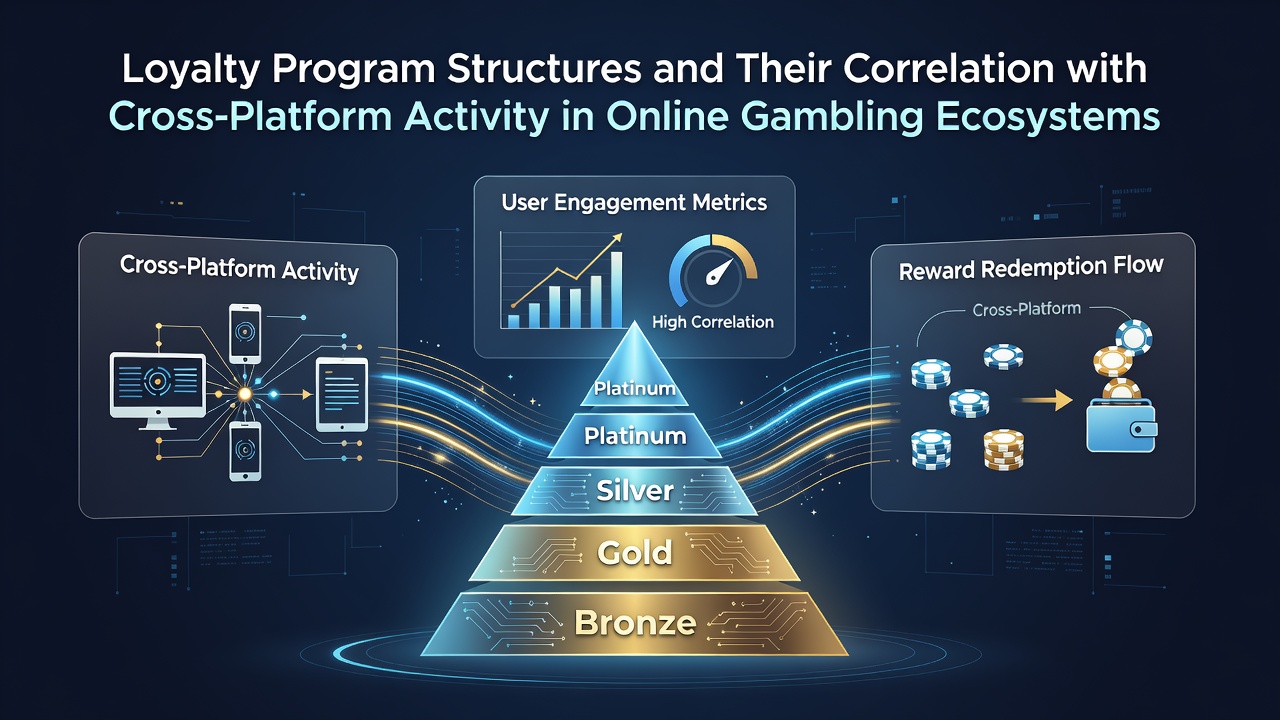
The Role of Loyalty Program Designs in Fostering Cross-Platform Activity Within Online Gambling Ecosystems
Operators in the online gambling sector structure loyalty programs around tiered point systems, personalized rewards, and redemption options that encourage repeated engagement across devices and sites, while data from multiple regions shows measurable links between these structures and increased cross-platform activity during periods such as August 2026.
Core Components of Loyalty Program Structures
Loyalty frameworks in digital wagering typically rely on point accumulation through wagers placed on slots, table games, and live dealer options, with higher tiers unlocking benefits like cashback percentages, exclusive event access, and accelerated earning rates. These systems operate on algorithms that track user behavior in real time, adjusting reward multipliers based on deposit frequency and session duration, whereas operators in markets such as those regulated by iGaming Ontario integrate device-specific bonuses to nudge players toward mobile apps after initial desktop sessions.
Redemption mechanics further define these programs, as players convert accumulated points into free spins, tournament entries, or merchandise, and structures that allow seamless transfers between desktop and mobile platforms tend to sustain longer overall activity windows according to industry reports released in mid-2026.
Defining Cross-Platform Activity Patterns
Cross-platform activity encompasses user movements between web browsers, native apps, and tablet interfaces within a single operator's ecosystem, along with occasional shifts across partnered platforms in multi-brand networks. Metrics tracked include login frequency per device type, wager volume shifts during peak hours, and the timing of reward redemptions that prompt switches from one interface to another, while studies conducted by research groups in Australia indicate that programs offering instant mobile notifications for tier upgrades correlate with higher rates of these transitions.
Observed Correlations in Recent Data
Figures compiled through 2026 reveal that operators employing hybrid loyalty models, which combine fixed tier ladders with dynamic personalized offers, record elevated cross-platform sessions compared to those using static point systems alone. One analysis from the Canadian Gaming Association highlighted that users reaching mid-tier status within the first month showed a 34 percent increase in multi-device logins, particularly when rewards included app-exclusive challenges that carried over to desktop leaderboards.
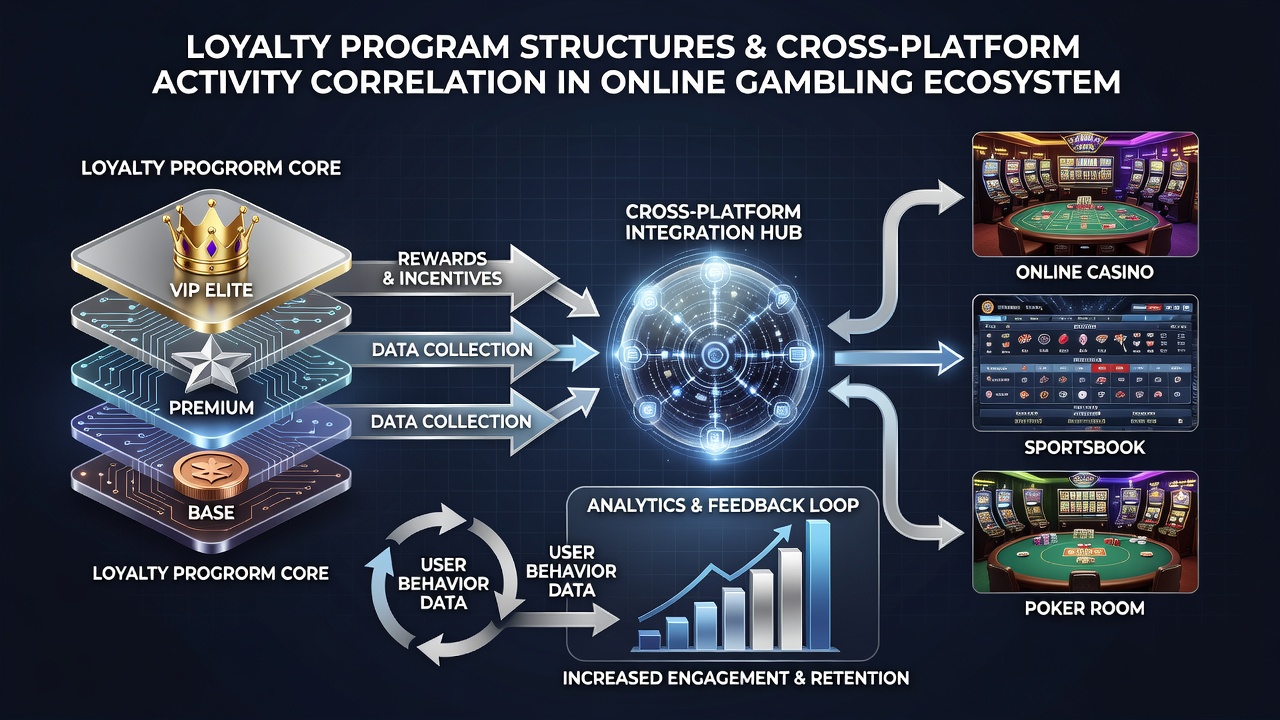
August 2026 reports from European regulatory bodies further documented that programs incorporating geo-location bonuses for different platforms experienced steadier engagement across time zones, as players moved between devices without losing progress on accumulated benefits. These patterns emerge because seamless data syncing reduces friction, allowing point balances and reward eligibility to persist regardless of access method.
Examples from Operator Implementations
Take one major platform that introduced a unified loyalty wallet in early 2026, where points earned on desktop slots immediately applied to mobile live tables, resulting in documented rises in session bridging according to internal metrics shared with trade associations. Observers note similar outcomes in networks where VIP tiers grant priority support across all channels, prompting users to test new game types on secondary devices after initial exposure elsewhere.
Another case involves a multi-site operator that linked loyalty progress to shared progressive jackpots accessible via any registered platform, and data collected through summer 2026 showed participants logging in from alternate devices at rates exceeding those of non-linked programs by notable margins.
Regulatory and Technical Influences
Technical standards set by bodies such as the Malta Gaming Authority require transparent tracking of loyalty data across platforms, which in turn supports accurate measurement of activity correlations without compromising user privacy protocols. These rules encourage operators to maintain consistent reward delivery, thereby facilitating the very cross-platform flows that data sets associate with higher retention metrics.
Programs that align with regional verification requirements also tend to see smoother transitions, as verified accounts carry loyalty status forward when users switch interfaces, reducing drop-off points that otherwise interrupt engagement sequences.
Conclusion
Structures built around tier progression, instant redemptions, and device-agnostic syncing demonstrate consistent associations with elevated cross-platform activity levels across online gambling ecosystems, as evidenced by reports spanning multiple jurisdictions through August 2026. Operators continue to refine these designs based on observed behavioral data, while external analyses from sources like the Canadian regulatory framework and the Australian Gambling Research Centre provide ongoing benchmarks for how such correlations evolve.