Sound Design Layers Shaping Decision Rhythms in Mobile Poker Across Global Regulatory Zones
Written by Devon Reed · Jul 7, 2026
Sound Design Layers Shaping Decision Rhythms in Mobile Poker Across Global Regulatory Zones
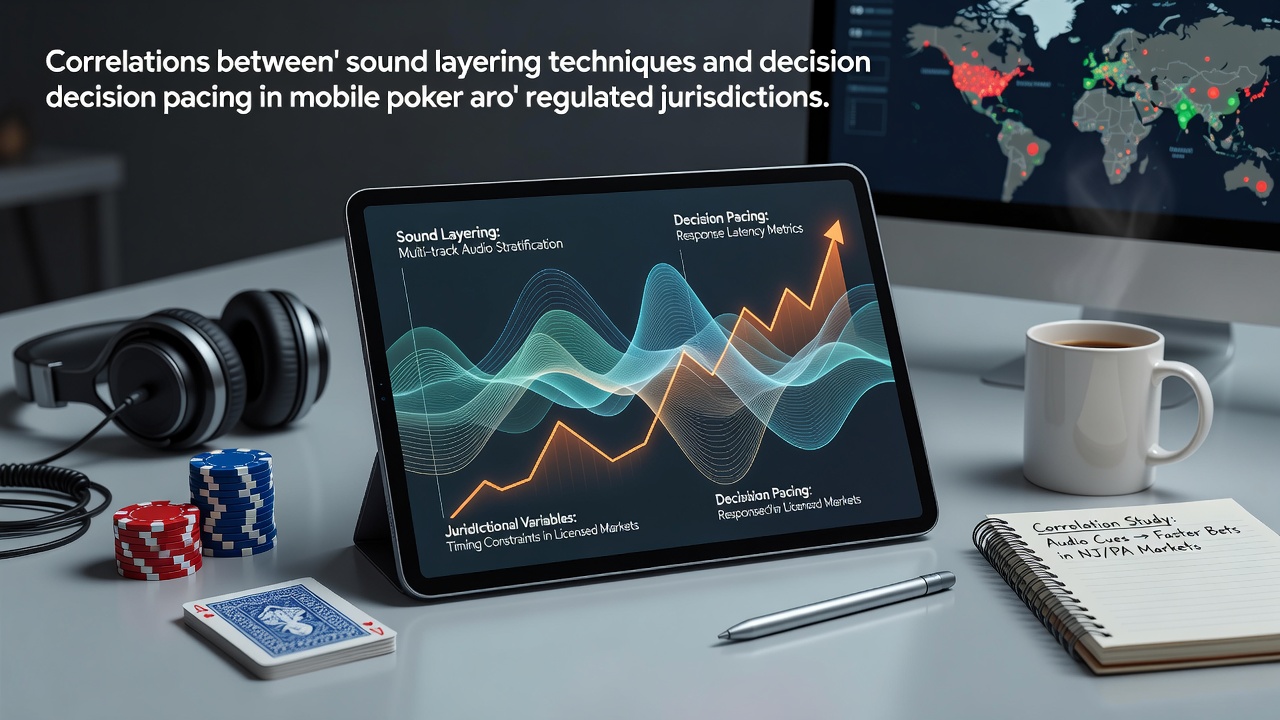
Regulated mobile poker platforms integrate multiple sound layers including ambient chip sounds, card shuffles, and subtle notification tones that align with player decision windows, and studies from various jurisdictions track how these elements correlate with pacing adjustments in real time. Data collected through platform analytics in places like New Jersey adn parts of the European Union show patterns where layered audio increases or decreases the average time between betting actions.
Platforms operating under oversight from bodies such as the New Jersey Division of Gaming Enforcement adjust sound profiles based on session metrics, while similar approaches appear in Australian markets monitored by the Northern Territory Racing Commission. These adjustments often involve balancing background tracks with foreground alerts to maintain consistent decision pacing without abrupt interruptions.
Layered Audio Components and Their Measured Effects
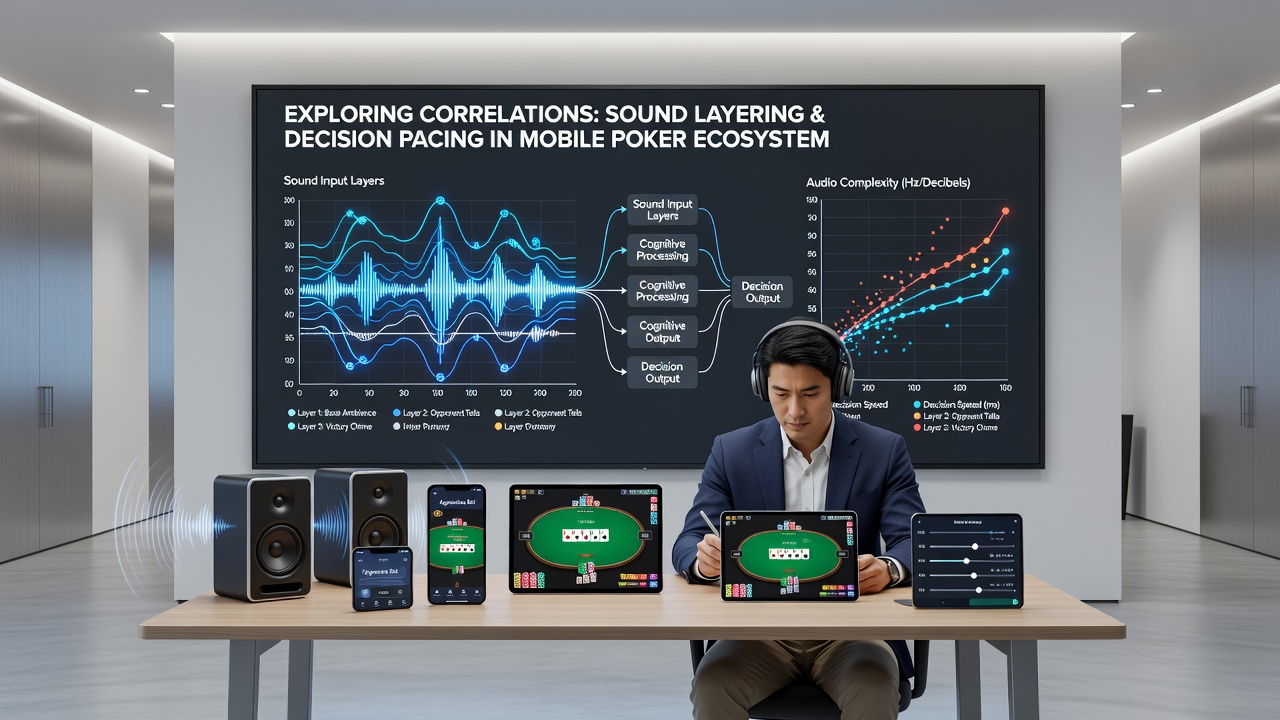
Sound layering in these systems typically combines three to five distinct tracks where base ambiance plays continuously, mid-level effects trigger on specific game events, and top-layer cues signal time-sensitive choices, and researchers note that this structure influences how quickly users respond to prompts like fold or raise options. Evidence from aggregated user data across multiple apps indicates shorter decision intervals when mid-layer effects emphasize urgency through rising tones, whereas extended pauses occur when layers remain more neutral.
One analysis of sessions conducted in July 2026 across North American regulated apps revealed that platforms using adaptive layering reduced average decision times by noticeable margins compared to static audio setups, yet the same data sets showed regional variations tied to local rules on session reminders. Observers tracking these trends point to technical implementations where volume modulation responds directly to remaining clock seconds, creating a feedback loop that operators refine through A/B testing cycles.
Jurisdictional Differences in Implementation Standards
Regulated environments impose distinct requirements on audio delivery, with Canadian provincial authorities requiring clear separation between entertainment sounds and responsible gaming notifications, whereas Singapore's regulatory framework emphasizes minimal layering to avoid sensory overload during extended play periods. These differences lead developers to customize sound engines per market, resulting in observable shifts in decision pacing when users cross jurisdictional boundaries through location-based app versions.
Industry reports compiled by groups like the European Gaming and Betting Association highlight how certain layering techniques, such as synchronized heartbeat-style pulses during high-stakes hands, correspond with faster call rates in tested cohorts. Meanwhile data from the Australian Communications and Media Authority tracks slower pacing in sessions where background layers dominate without foreground emphasis on timers.
Technical Correlations and Platform Analytics
Analytics engines employed by operators capture correlations by logging audio state changes alongside timestamped decisions, allowing teams to map specific layering combinations to pacing outcomes like reduced hesitation on marginal hands. Findings from controlled platform trials indicate that adding a low-frequency rumble layer beneath standard effects often extends decision windows by fractions of seconds, which some systems then offset through slight timer extensions permitted under local rules.
Developers reference internal benchmarks where sound transitions between betting rounds align with regulatory caps on continuous play, and these alignments produce measurable consistency in user flow across apps licensed in multiple regions. Patterns emerge most clearly in head-to-head comparisons between versions of the same poker title released under different oversight regimes, revealing how minor audio tweaks translate into pacing adjustments without altering core game mechanics.
Future Adjustments Based on Collected Metrics
Operators continue refining sound layering protocols as new data streams from July 2026 sessions feed into iterative design processes, focusing on maintaining compliance while optimizing the relationship between audio cues and decision speed. Regulatory updates in several jurisdictions now reference audio delivery as part of broader responsible gaming toolkits, prompting further study into how layered techniques interact with mandatory break prompts.
Conclusion
Across regulated mobile poker ecosystems, documented links between sound layering methods and decision pacing continue to guide platform development in line with jurisdictional standards. Metrics gathered from diverse oversight bodies demonstrate consistent yet varied outcomes depending on local implementation, providing operators with concrete parameters for ongoing refinements. These correlations remain central to technical and compliance strategies as markets evolve.