Silent Signals: Nonverbal Cues and Their Role in Table Game Interactions at International Casinos
Written by Xander Keller · Aug 13, 2026
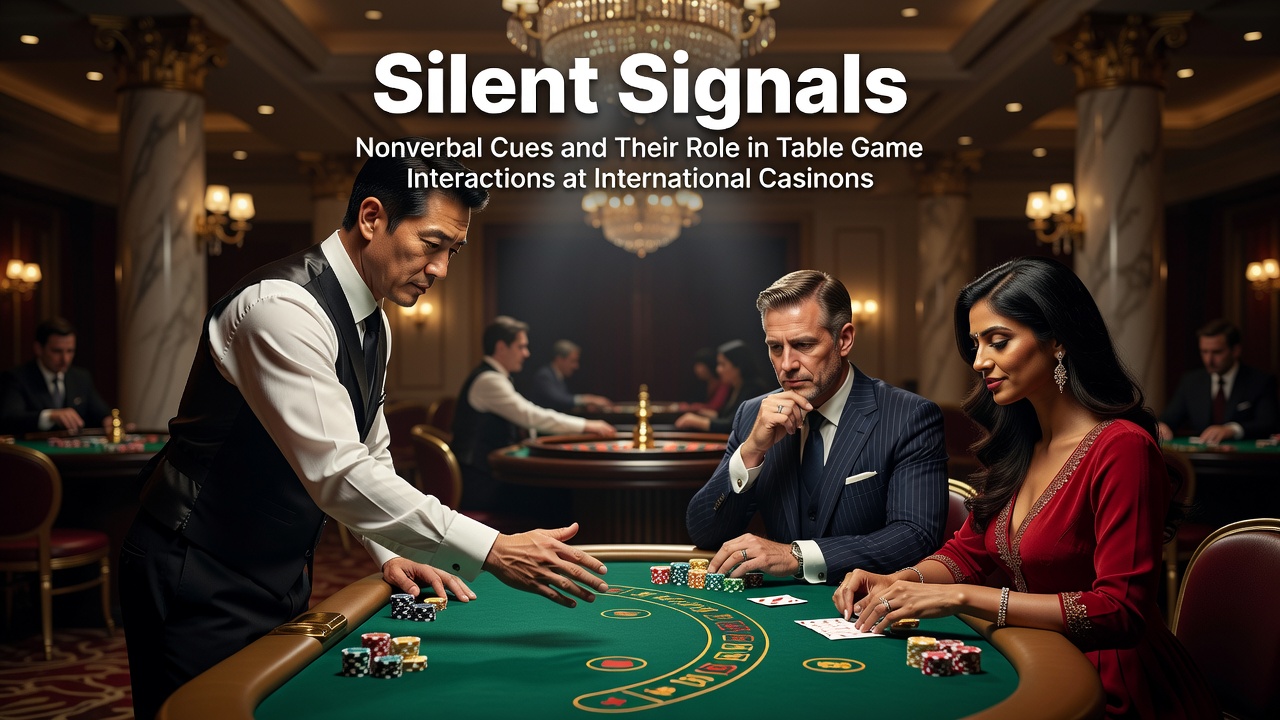
Silent Signals: Nonverbal Cues and Their Role in Table Game Interactions at International Casinos
Nonverbal cues shape interactions at table games across international casinos where participants rely on gestures, posture, and facial expressions to convey information during play. Observers note that these signals operate alongside spoken words and card actions, creating layers of communication that influence decisions at blackjack, poker, and baccarat tables worldwide. Research from psychology and gaming studies indicates that body language accounts for a significant portion of human interaction, and casino environments amplify this dynamic because stakes involve financial outcomes and social dynamics among strangers.
Core Elements of Nonverbal Communication at Gaming Tables
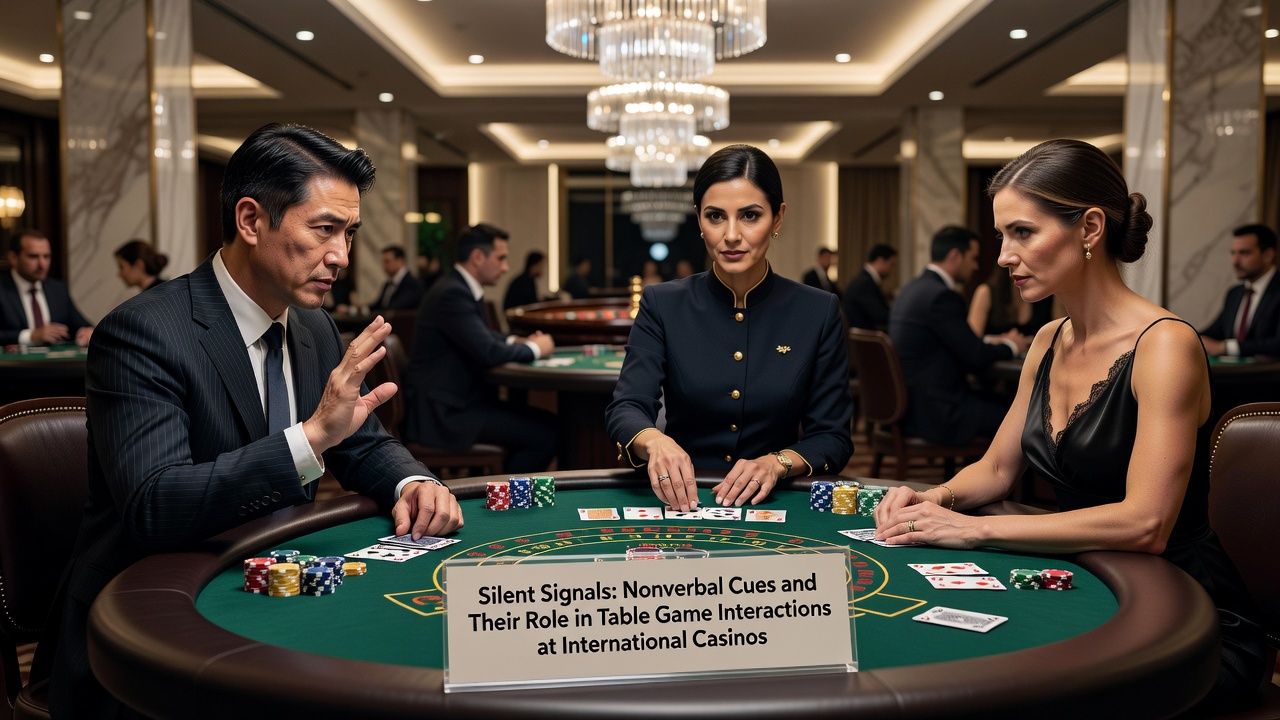
Eye contact patterns emerge as primary indicators during poker hands, where sustained glances or rapid shifts signal confidence levels or attempts at deception according to multiple observational studies conducted in European and North American venues. Posture adjustments, such as leaning forward or crossing arms, provide additional data points that experienced players track to gauge opponent intentions, while hand movements like chip handling or card touching reveal micro-expressions of tension or relaxation. Casino operators train staff to recognize these patterns for security purposes, and data from training programs shows that consistent monitoring reduces incidents of collusion among participants.
Dealers contribute their own set of signals through standardized motions required by house rules, yet individual variations in speed and precision communicate information about card distribution or table atmosphere. In Asian markets including Macau and Singapore, subtle head nods and finger placements carry cultural weight that differs from Western conventions, leading researchers to document region-specific adaptations that maintain game integrity while respecting local norms.
Cultural Variations Across Global Casino Markets
International casinos host diverse player pools, and cultural backgrounds influence how nonverbal cues manifest during table game sessions. Participants from collectivist societies often display more restrained facial expressions compared to those from individualistic regions, a pattern documented in cross-cultural analyses published by academic institutions studying gambling behavior. European tables frequently feature more overt gestures during high-stakes baccarat rounds, whereas North American poker rooms emphasize controlled neutrality to avoid telegraphing strength. Those who've examined these differences find that international visitors adapt their signals over repeated visits, blending home-country habits with observed local practices to maintain competitive edges.
Regulatory frameworks address these variations indirectly through responsible gaming guidelines that emphasize staff awareness of behavioral indicators. The Canadian Gaming Association reports on training modules that incorporate cultural sensitivity alongside nonverbal recognition techniques, while similar initiatives appear in Australian research reports focused on venue operations. Such programs equip personnel to distinguish between standard gameplay signals and potential problem behaviors without disrupting table flow.
Impact of Technology and Surveillance on Signal Interpretation
Surveillance systems in modern casinos capture nonverbal data alongside traditional security footage, allowing analysts to review interactions after sessions conclude. As of August 2026, advancements in facial recognition software assist operators in identifying known patterns across multiple properties, though human oversight remains essential for contextual interpretation. Electronic tables introduce new variables where physical cues diminish, shifting emphasis toward digital avatars and chat functions in virtual environments that mirror land-based dynamics. Studies from the Australian Institute of Criminology examine how these shifts affect player engagement and detection of irregular activities in hybrid gaming settings.
Training programs now integrate video analysis of past incidents to teach staff and players alike about the reliability of certain cues versus random movements. Evidence suggests that combining technological monitoring with traditional observation produces more accurate assessments of table interactions than either method alone.
Conclusion
Nonverbal cues continue to play defined roles in table game environments at international casinos where cultural, technological, and regulatory factors intersect. Data from industry reports and academic research demonstrates consistent patterns across regions while highlighting adaptations that preserve game fairness. Observers continue to track these developments as venues evolve their practices in response to global player bases and advancing monitoring capabilities.