RTP Breakdown: Slot Percentages That Dictate Player Fortunes Over Time
Written by Xander Keller · Apr 16, 2026
RTP Breakdown: Slot Percentages That Dictate Player Fortunes Over Time
What RTP Means in the World of Slots
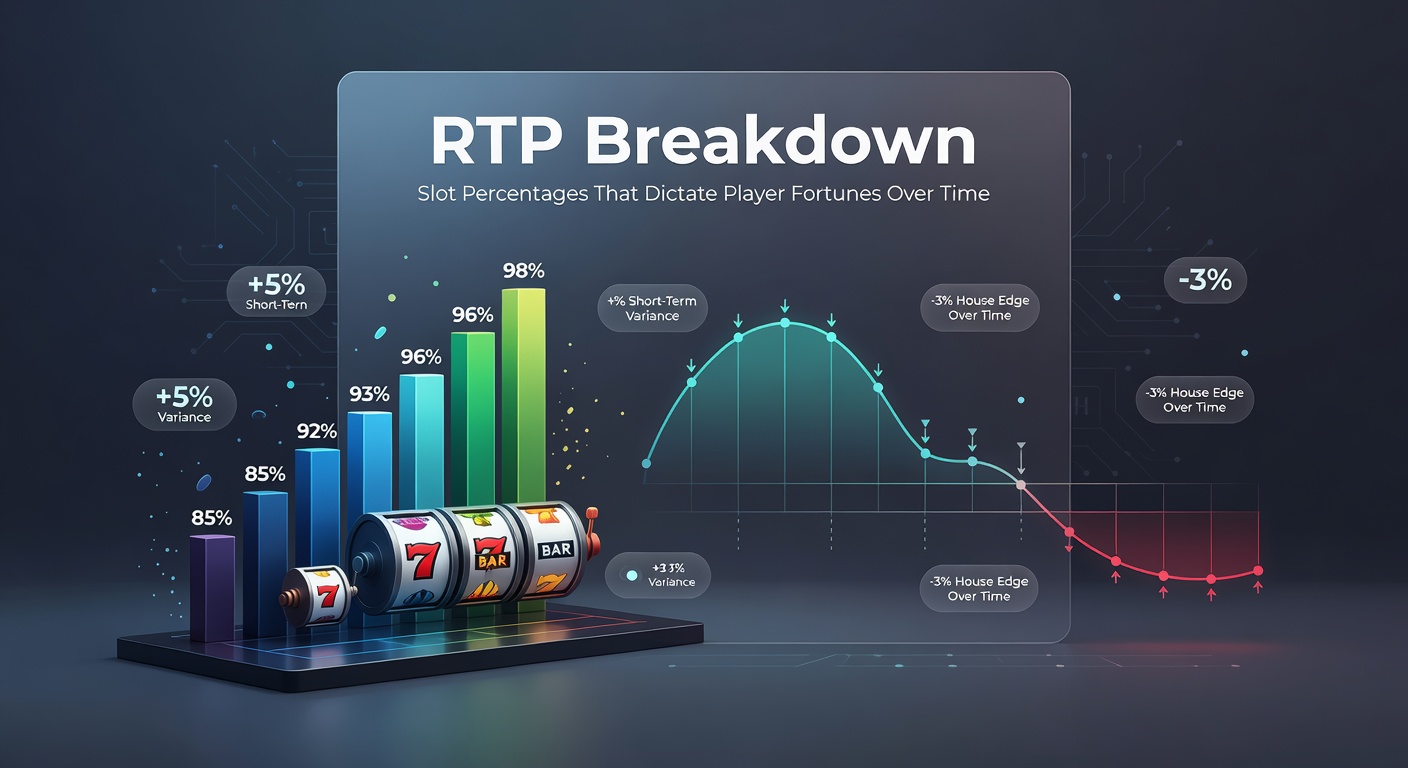
Slots stand out as the most popular casino games worldwide, drawing players with their flashing lights, immersive themes, and the thrill of potential big wins, yet beneath all that excitement lies a key metric called Return to Player—or RTP for short—which essentially dictates how much money games return to players over the long haul. Data from industry regulators shows RTP percentages typically range from 85% to 99%, meaning for every $100 wagered collectively by players, the slot returns between $85 and $99 in winnings, while the rest covers the house edge, operational costs, and profits for operators. Experts who've analyzed millions of spins note that this figure emerges only after vast numbers of plays—often in the millions—since short-term results swing wildly due to randomness built into the software.
Turns out, understanding RTP changes everything for those navigating casino floors or online platforms, as it shifts focus from chasing jackpots to recognizing patterns in sustained play. Researchers at gaming labs have demonstrated through simulations that a 92% RTP slot, played over 100,000 spins, aligns closely with its advertised return, whereas fewer spins might yield anything from total wipeouts to unexpected windfalls. And here's the thing: RTP doesn't guarantee individual session outcomes; it levels out across entire player pools, making it a marathon metric rather than a sprint.
How Slot RTP Actually Works Behind the Scenes
Game developers program RTP directly into slot algorithms using random number generators (RNGs), which ensure every spin remains independent and unpredictable, while the overall payout structure—determined by paylines, symbols, bonus features, and jackpot tiers—fine-tunes the percentage to hit regulatory targets. Figures from New Jersey Division of Gaming Enforcement reports reveal that online slots in regulated US markets averaged 96.2% RTP in recent audits, higher than many land-based counterparts because digital formats cut overhead like physical machines and venue rent.
But what's interesting lies in the math: a slot with 95% RTP carries a 5% house edge, so over time, casinos bank that slice reliably, even as players hit occasional hot streaks. Observers point to case studies, like one popular video slot where bonus rounds contributed 40% of total RTP, showing how features like free spins or multipliers balance the base game's lower payouts. Those who've dissected provider data know progressive jackpots drag RTP down—sometimes to 88%—because a chunk funds the growing prize pool, which one lucky player eventually claims.
Breaking Down RTP Ranges: From Low to High Payers
Slots split into clear RTP categories that players encounter daily; low RTP machines, hovering around 85-90%, often pack massive jackpots or cluster in high-traffic Vegas strips, whereas high RTP ones—95% and above—dominate online lobbies, appealing to those grinding sessions for steady returns. Data indicates branded slots tied to movies or celebs frequently land in the 92-94% zone, balancing licensing fees with player appeal, while classic three-reelers push toward 97% by skipping fancy animations.
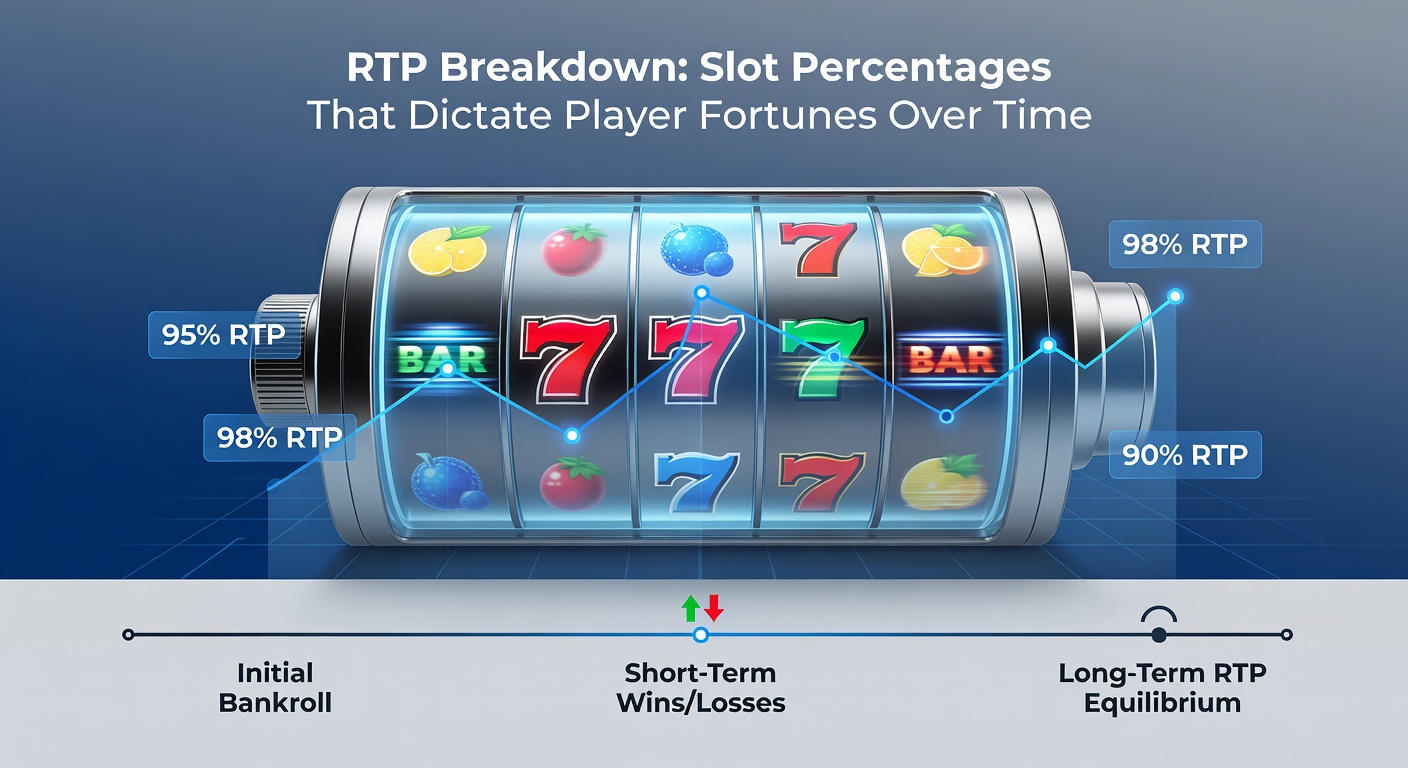
Take one study from Australian researchers, which found brick-and-mortar slots in New South Wales averaged 90.1% RTP as per state gaming authority disclosures, lower than Ontario's iGaming sites clocking 97.5% in 2025 audits because physical venues prioritize volume over margins. High volatility slots pair lower RTP with rare but huge payouts, keeping players hooked through dry spells, yet low volatility ones deliver frequent small wins at steadier 98% rates—perfect for extending playtime without rapid bankroll drains.
Now, as April 2026 unfolds, fresh reports from the Nevada Gaming Control Board highlight a shift; new slots launching there boast average RTPs climbing to 96.8%, driven by tech upgrades like AI-optimized math models that regulators approve faster for transparency. That's where the rubber meets the road for developers racing to outpace competitors.
Factors That Push and Pull RTP Figures
Jurisdictional rules set minimum RTP floors—Pennsylvania mandates 85% for land-based, but online pushes 92%—while operators tweak within limits by selecting games or linking progressives, all audited by independent labs like eCOGRA or iTech Labs to verify claims. Volatility indexes, bonus frequency, hit rates, and even bet sizing influence perceived RTP, although the certified figure holds steady across denominations from pennies to high-roller maxes.
Industry observers note how Megaways mechanics, popularized since 2016, often hit 96-97% RTP by cramming thousands of win ways into single spins, yet free-play demos match live versions exactly, debunking myths of "loose" practice modes. And while location matters—Europe sees 94-98% norms versus Asia's 88-95% in some markets due to cultural jackpot preferences—global providers standardize RTP across regions, adjustable only via server-side configs under license terms.
Real-World RTP in Action: Examples and Data Dives
Consider NetEnt's Starburst, a staple with 96.09% RTP, where players who've logged sessions report base game returns around 70%, boosted by expanding wilds; data from aggregated casino stats backs this, showing it outperforms flashier sequels RTP-wise. Or take Pragmatic Play's Sweet Bonanza at 96.48-96.51%, tweakable by operators in 0.03% increments—a practice common in regulated spaces to fit local laws.
But here's the kicker: progressive networks like Mega Moolah dip to 88.12% base RTP, with 5.31% fueling the life-changing pool that hit €21 million in one 2024 spin, per provider logs. Those studying long-term play patterns discover cluster effects; casinos place high RTP slots near entrances to lure crowds, while low ones hide in corners, subtly guiding traffic and fortunes over crowded weekends.
Short bursts tell different stories—one player might turn $10 into $500 on a 94% slot, but simulations run by university gaming departments confirm reversals over 10,000 spins, aligning payouts precisely with advertised figures. It's not rocket science; variance creates the drama, RTP scripts the ending.
Navigating RTP Myths and Emerging Trends
Myths persist that casinos adjust RTP mid-session or hot machines pay more after cools—yet certified RNGs prevent this, as Nevada Gaming Control Board enforcement logs show zero verified cases since 2020. Players often chase "must-hit-by" progressives assuming rising RTP, but math holds firm until the trigger.
Looking ahead into April 2026, blockchain integration in slots promises verifiable RTP via public ledgers, with pilots in Malta already hitting 98.5% on provably fair titles, per early trials. Skill-based elements creep in too, nudging RTP toward 99% in hybrid games approved across Canada and Europe, blending chance with player input for fresher experiences.
Conclusion
RTP remains the unyielding backbone of slot math, shaping fortunes through percentages that play out over endless spins rather than single pulls, and as data from diverse regulators underscores, grasping these figures empowers smarter choices amid the chaos. Whether grinding high-RTP online favorites or sizing up floor machines, those tuned into the numbers spot where value hides, turning random reels into calculated endeavors. With trends like transparent tech accelerating, the landscape evolves fast—keeping RTP front and center for anyone serious about the long game.