Mobile Interface Developments Driving Game Choice Changes in Global Betting Apps
Written by Xander Keller · Aug 16, 2026
Mobile Interface Developments Driving Game Choice Changes in Global Betting Apps
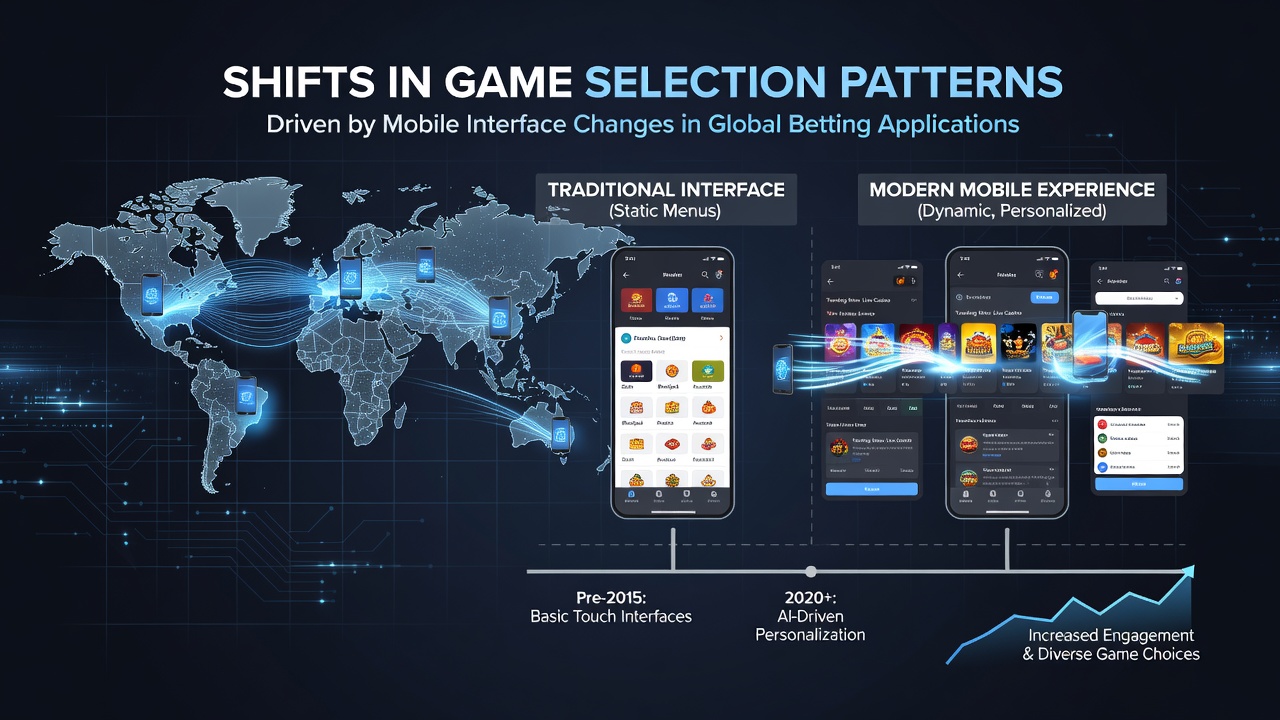
Global betting applications have undergone substantial interface revisions since 2024, with touch-optimized designs and gesture-based navigation altering how participants choose games across markets in Asia, Europe, and the Americas. These modifications include simplified swipe mechanics for category browsing, adaptive layouts that prioritize high-frequency titles, and integrated quick-play buttons that reduce steps between selection and engagement. Data from regulatory filings in August 2026 indicates that apps incorporating these elements recorded measurable increases in selections for certain game types while others declined in popularity.
Key Interface Modifications and Their Reach
Developers introduced bottom-tab navigation structures and collapsible menus that consolidate game libraries into fewer taps, a shift documented in reports from multiple jurisdictions. Observers note that these changes coincided with rises in slot game selections in regions where vertical scrolling replaced horizontal carousels. According to figures released by the Nevada Gaming Control Board, mobile platforms with gesture-driven filters saw slot engagement climb by double-digit percentages during the first half of 2026, while table game selections remained stable or contracted slightly in the same period.
Additional adjustments such as one-handed mode toggles and personalized recommendation carousels appeared in updates rolled out by major operators between late 2025 and mid-2026. These features rely on session history to surface titles matching prior activity, which analysts link to accelerated selection patterns for instant-play formats over multi-stage options. Research from academic sources, including papers published through the University of Macau's gaming studies program, highlights how reduced cognitive load from streamlined menus correlates with shorter decision times before gameplay begins.
Regional Variations in Selection Trends
Patterns differ by market because regulatory environments and device preferences shape implementation. In Australia, operators adapted interfaces to comply with local display requirements, resulting in prominent placement of pokies-style titles within thumb-reach zones on screens. Figures compiled by the Australian Communications and Media Authority show corresponding growth in selections for reel-based games during 2026 monitoring periods. In contrast, European markets with stricter bonus display rules saw interfaces emphasize free-to-play demo modes, which data associates with increased trial of hybrid skill-chance titles rather than pure chance offerings.
North American applications integrated location-based filters that adjust available game libraries according to state regulations, directing users toward compliant options through prominent banners. Those who've tracked usage metrics report that such geo-aware prompts influenced shifts toward live dealer formats in jurisdictions where they became newly accessible. Asian markets, particularly in regulated Southeast Asian hubs, adopted dark-mode defaults and high-contrast icons to accommodate varied lighting conditions, a modification tied to extended session lengths for certain video slot categories in platform analytics.
Data Patterns Emerging in 2026
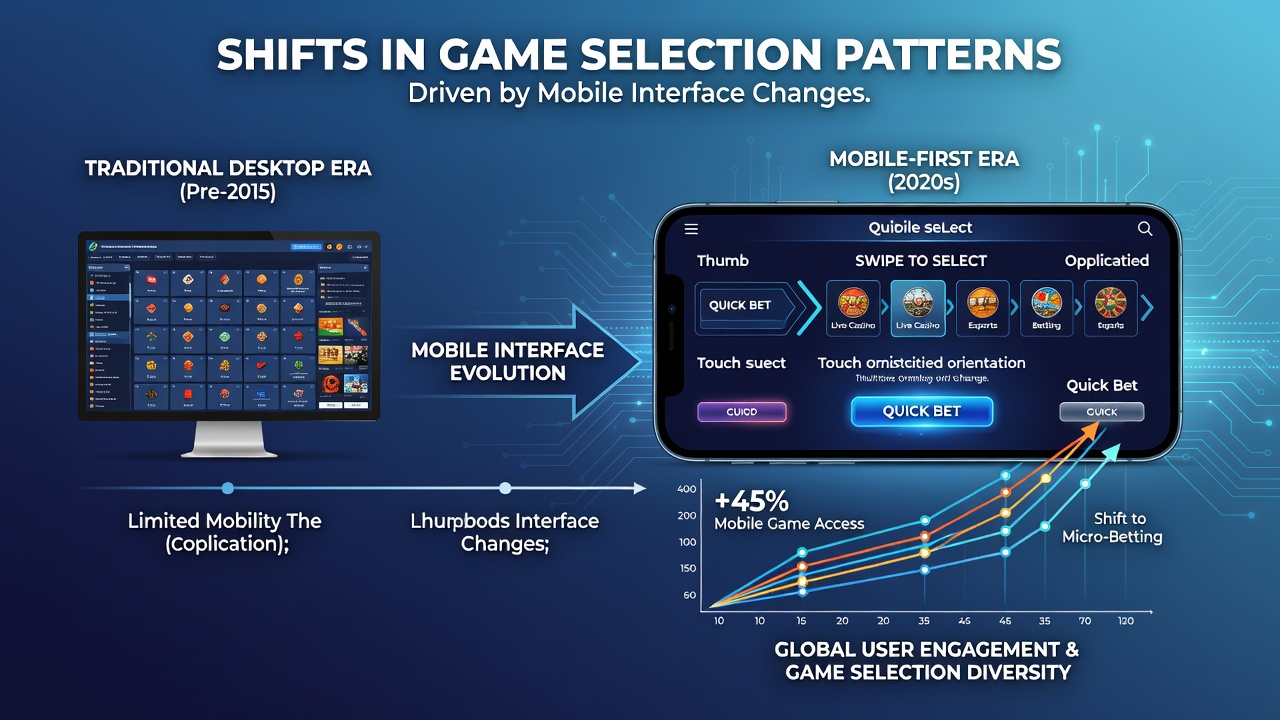
Industry organizations tracking cross-border activity compiled statistics that reveal consistent correlations between interface updates and selection distributions. Applications that added predictive search bars experienced higher volumes of direct title requests rather than category browsing, according to aggregated reports shared among members of the International Association of Gaming Regulators. This development coincided with August 2026 observations of increased selections for branded or themed games that appear first in autocomplete suggestions.
Multi-device synchronization features, allowing seamless transitions from tablet to phone without resetting progress, further influenced choices toward games with persistent state elements such as progressive accumulators. Those monitoring platform telemetry note that participants using synchronized accounts selected continuity-focused titles at higher rates than single-device users in comparable demographics. These trends appear in datasets spanning operators active in Canada and parts of Latin America, where regulatory bodies have begun requesting interface impact disclosures as part of licensing renewals.
Implications for Game Categories and Platform Design
Table game representations adapted through simplified betting interfaces that use drag-and-drop chip placement and auto-adjust stake sliders, reducing the steps needed to initiate rounds. Selection data from several operators indicates that these streamlined controls coincided with steadier participation in digital blackjack and roulette variants compared to earlier button-heavy layouts. Slot categories, already suited to touch interaction, benefited from added layers such as quick-spin toggles and expandable paytable overlays that appear without leaving the main screen.
Developers continue to test variations in thumbnail sizing and animation speed, with A/B trial results feeding into broader updates scheduled through the remainder of 2026. Regulatory filings in multiple regions now include sections detailing how interface elements affect game visibility and selection frequency, reflecting growing oversight of design choices that shape user pathways.
Conclusion
Interface changes in global betting applications continue to interact with game selection patterns through measurable adjustments in navigation, recommendation systems, and control schemes. Data collected through August 2026 demonstrates regional differences in outcomes, with slot formats gaining prominence in several markets while table game selections respond to specific usability enhancements. Regulatory bodies and research institutions track these developments through ongoing reporting requirements, providing a factual basis for understanding how design decisions influence engagement across platforms and jurisdictions.