Inside the Algorithms: How Chance is Engineered in Electronic Gaming Devices
Written by Xander Keller · May 24, 2026
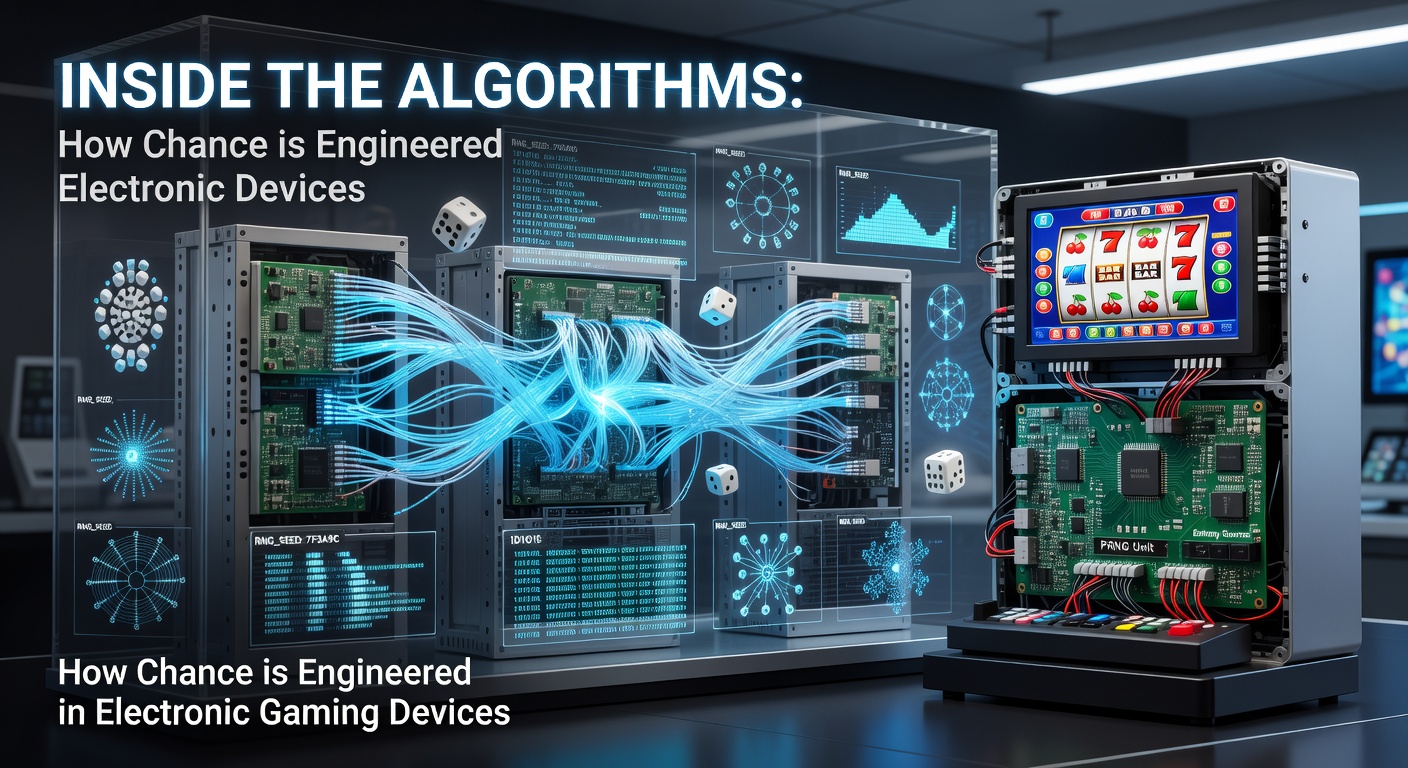
Inside the Algorithms: How Chance is Engineered in Electronic Gaming Devices
Electronic gaming devices rely on carefully designed algorithms to produce outcomes that feel random while meeting strict regulatory standards across multiple jurisdictions, and these systems have evolved considerably since the shift from mechanical reels to digital platforms in the late twentieth century. Engineers create pseudorandom number generators that cycle through vast sequences of values at speeds reaching billions per second, yet the sequences remain deterministic once an initial seed value enters the equation.
Manufacturers map these numerical outputs onto virtual reel positions or card combinations through weighted tables that assign different probabilities to each possible result, and this mapping process determines the exact frequency of wins and losses over extended play sessions. Regulatory bodies such as the Nevada Gaming Control Board require independent laboratories to verify that every algorithm passes statistical tests for uniformity and unpredictability before devices receive approval for commercial use.
Core Mechanics of Pseudorandom Generation
Modern electronic gaming devices employ linear congruential generators or more advanced Mersenne Twister algorithms to produce the number streams that drive gameplay, and each generator begins with a seed drawn from hardware sources like thermal noise or system clock variations. Once seeded, the algorithm applies a series of mathematical operations that expand the seed into a long period before repetition occurs, often exceeding 2^19937 distinct values in contemporary implementations.
Game designers then scale these raw numbers down to the range required by the paytable, converting them into reel stops or symbol positions through division and remainder operations that preserve the intended distribution of results. Observers note that the final outcome mapping must account for virtual reel strips that can contain hundreds of positions even when physical displays show only a handful of symbols, allowing fine control over hit frequencies without altering the underlying random source.
Regulatory Testing and Certification Processes
Independent testing laboratories examine source code, compile binaries, and run millions of simulated spins to confirm that reported return percentages match actual performance under controlled conditions, and this verification happens before any device reaches casino floors. Data from certification reports indicate that approved systems must demonstrate compliance with standards covering randomness, payout accuracy, and resistance to external interference across different hardware platforms.
During May 2026 several jurisdictions updated their submission requirements to include additional entropy source validation for networked gaming systems, reflecting growing integration between on-site machines and central servers that manage progressive features or player tracking. Technicians document every code change through version control systems that regulators can audit at any time, ensuring that modifications do not inadvertently alter the statistical properties established during initial approval.

Virtual Reels and Weighted Outcome Tables
Virtual reel technology allows developers to assign multiple entries to the same visible symbol on a digital strip, thereby adjusting the probability of landing particular combinations without changing the physical appearance of the game screen, and this approach became standard after the introduction of stepper motor simulations in the 1980s. A single high-value symbol might occupy only one position on the visible reel yet correspond to several entries in the virtual table, while lower-value symbols receive proportionally more entries to balance overall return percentages.
Weighted tables further refine these probabilities by applying different multipliers to specific outcomes during the mapping stage, and researchers have documented how such weighting enables game designers to achieve target volatility levels that influence the size and frequency of payouts. The final conversion step occurs when the scaled random value indexes into the weighted table, selecting the result that appears on the player interface within milliseconds of the initial trigger.
Integration with Hardware and Network Systems
Electronic gaming devices combine the core algorithm with tamper-resistant hardware modules that store encryption keys and monitor continuous operation, and these modules trigger automatic shutdowns if any deviation from expected behavior occurs. Network connectivity introduces additional layers where central servers may supply updated seeds or synchronize multi-site progressives, yet the local device retains responsibility for generating each individual game outcome to maintain jurisdictional separation requirements.
Industry reports from organizations such as Gaming Laboratories International detail how certification now encompasses both standalone and server-based configurations, verifying that network communications cannot influence the random sequence after the game has begun. Technicians perform periodic field inspections using portable verification tools that compare running firmware against the originally certified version, catching any unauthorized alterations that might compromise outcome integrity.
Statistical Validation and Long-Term Performance
Long-term performance data collected from thousands of machines across multiple properties demonstrate that certified algorithms maintain their designed return percentages within narrow tolerances over millions of plays, and these figures undergo regular reconciliation against theoretical models supplied by manufacturers. Analysts apply chi-square tests, serial correlation analysis, and runs tests to confirm that sequences show no detectable patterns that could be exploited by players or compromised by external factors.
Academic studies published in journals such as those indexed by IEEE Xplore have examined the period lengths and equidistribution properties of various generator types, providing independent benchmarks that regulators reference during approval reviews. Continuous monitoring programs operated by casino operators feed operational data back to testing laboratories, allowing rapid identification of any drift that might signal hardware degradation or software anomalies requiring immediate attention.
Conclusion
Engineering chance in electronic gaming devices involves precise coordination between mathematical algorithms, hardware security, regulatory oversight, and statistical validation that together produce outcomes meeting both legal standards and operational expectations. The processes described above continue to adapt as new technologies emerge, yet the fundamental requirement remains unchanged: every result must originate from an approved, tested, and auditable source that players and regulators can trust to perform as documented.