How Skill-Based Gaming Machines Evolved Within Traditional Casino Floors
Written by Devon Reed · Jul 30, 2026
How Skill-Based Gaming Machines Evolved Within Traditional Casino Floors
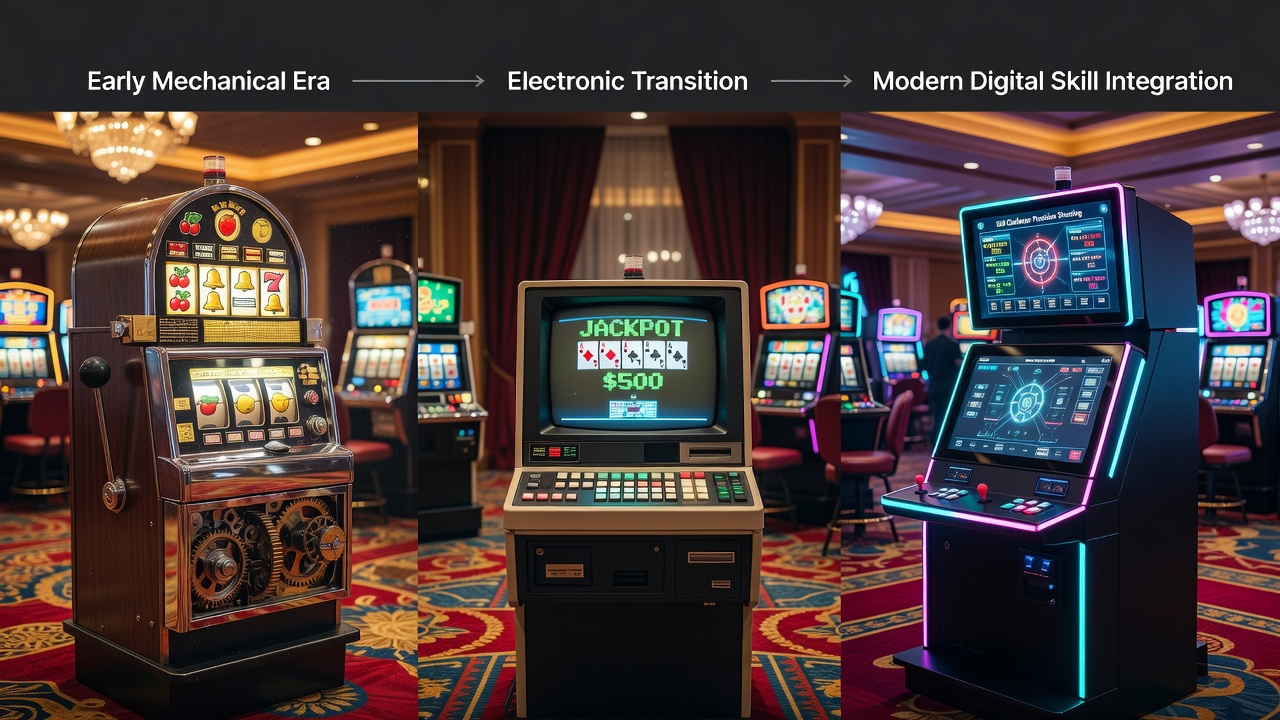
Skill-based gaming machines first appeared in traditional casino settings during the late 1970s when video poker terminals combined electronic reels with player decisions on discards, creating outcomes that reflected both chance and strategy. These devices differed from pure slot machines because participants could influence results through choices made during each hand, and operators quickly placed them on floors in Nevada and New Jersey to attract players who preferred games with visible decision points.
By the mid-1980s manufacturers expanded the format to include video blackjack and video keno cabinets that rewarded accurate play, while state regulators required testing to confirm that house edges remained consistent with existing gaming standards. Data from the Nevada Gaming Control Board shows that video poker machines accounted for a growing share of slot revenue in Las Vegas properties throughout the decade, because the skill component encouraged longer sessions among experienced patrons.
Regulatory Milestones and Early Adoption Patterns
State gaming commissions began formal reviews of skill-based features in the early 1990s after developers introduced touch-screen interfaces that allowed more complex bonus rounds. Regulators in multiple jurisdictions insisted on independent laboratory certification to verify that random number generators still governed base game results even when skill elements appeared in secondary phases. Those early approvals opened doors for wider placement of hybrid cabinets on casino floors across the United States.
Operators noticed that these machines appealed to a demographic that previously favored table games, and facilities responded by grouping video poker banks near pit areas to encourage crossover play. Research conducted by university gaming programs during that period documented measurable differences in session length between pure chance slots and machines that offered decision-based bonuses, prompting further investment from manufacturers.
Technological Shifts in the 2000s and 2010s
Touch-screen technology and improved graphics processors enabled developers to embed arcade-style challenges inside slot bonuses by the early 2000s, transforming machines into hybrid experiences where timing or pattern recognition affected prize multipliers. Casinos in Atlantic City and along the Las Vegas Strip installed these cabinets in high-traffic zones, and revenue reports indicated that locations with skill-based options often recorded higher average daily wins per unit compared with older mechanical models.
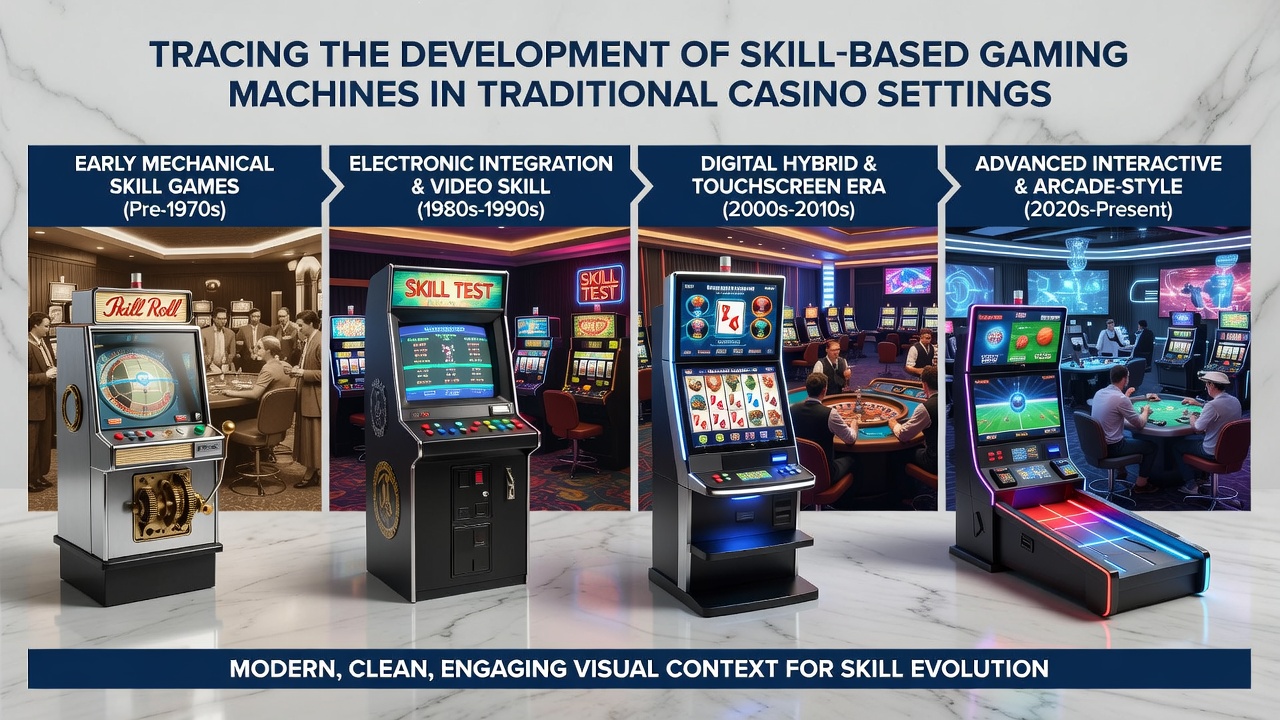
Manufacturers introduced networked progressives tied to skill rounds during the 2010s, linking outcomes across banks of machines while still preserving individual player agency during bonus events. Gaming laboratories developed new testing protocols to evaluate both the random elements and the measurable skill curves, ensuring compliance with existing payout regulations. Properties in Pennsylvania and Indiana adopted these platforms rapidly once approvals cleared, and floor layouts began incorporating dedicated zones that highlighted the interactive nature of the games.
Current Integration and Market Data Through Mid-2026
By July 2026 skill-based elements appear in a wider range of cabinet styles, including reel-spinning games that transition into competitive mini-games where participants match symbols or navigate obstacles to claim additional credits. Industry reports compiled by the American Gaming Association indicate that these machines represent an increasing percentage of new installations in traditional casino environments, particularly in markets where operators seek differentiation from online competitors. Facilities continue to track performance metrics such as hold percentage and time-on-device, adjusting placement strategies based on observed player behavior patterns.
International markets have followed similar trajectories, with operators in Australia and parts of Europe testing localized versions that incorporate regional skill preferences while meeting strict technical standards set by their respective gaming authorities. Cross-border comparisons reveal that approval timelines vary significantly depending on whether regulators classify the skill component as a separate game type or an integrated feature within an existing slot framework.
Conclusion
Skill-based gaming machines have moved from niche video poker terminals to sophisticated hybrid devices that occupy prominent positions on casino floors worldwide. Their development reflects ongoing collaboration among manufacturers, regulators, and operators to balance entertainment value with regulatory compliance. Continued advancements in interface design and network capabilities suggest that further refinements will appear in traditional settings as data on player engagement accumulates across multiple jurisdictions.