How International Regulations Shape Availability of Free Spin Promotions on Digital Slot Platforms
Written by Devon Reed · Jun 11, 2026
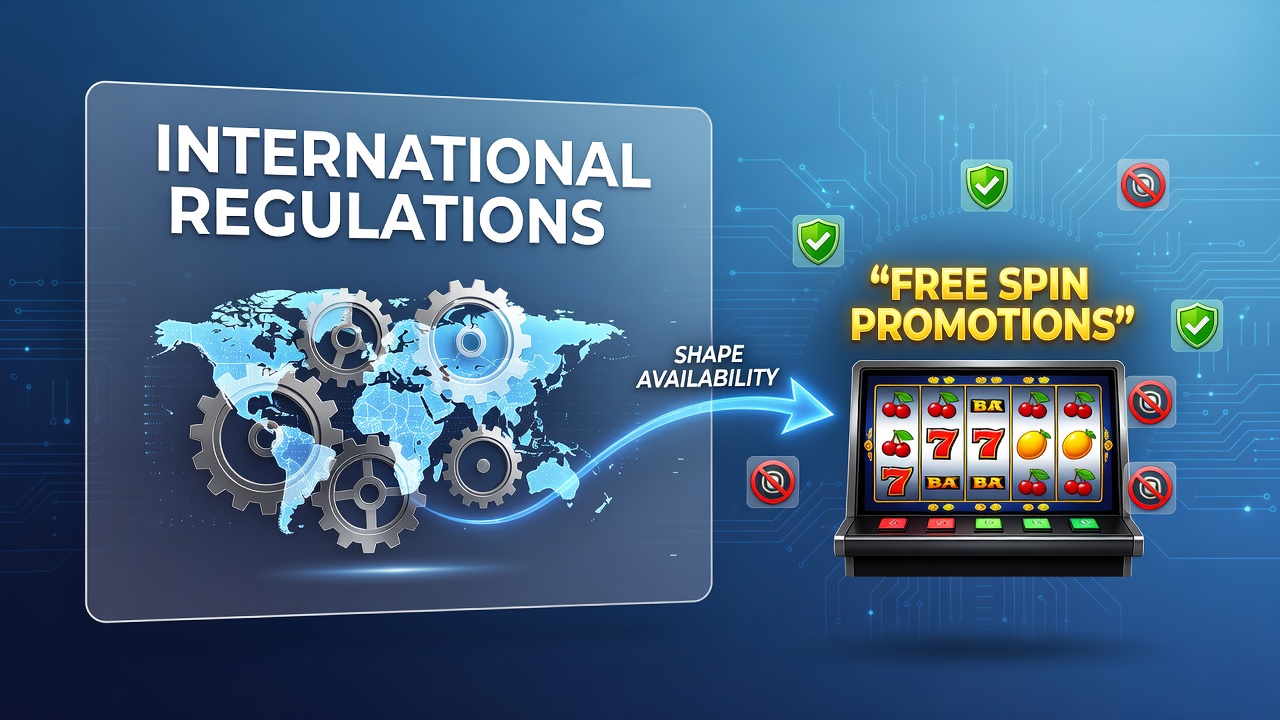
How International Regulations Shape Availability of Free Spin Promotions on Digital Slot Platforms
Digital slot platforms operate under layers of international rules that directly control how free spin promotions reach players, and these frameworks vary sharply by jurisdiction. Free spins function as marketing tools that allow users to spin reels without placing initial wagers, yet regulators treat them as potential inducements that require strict oversight to protect participants and maintain market integrity. Observers note that differences in legal approaches produce uneven availability across borders, with some regions permitting generous offers while others impose caps or outright prohibitions.
European Frameworks and Bonus Restrictions
European Union directives on consumer protection and gambling have pushed member states toward tighter controls on promotional bonuses since the early 2020s, and several countries now require operators to disclose wagering requirements in clear terms before any free spins activate. Malta's gaming authority, for instance, mandates that platforms verify player eligibility and limit bonus values to prevent excessive risk exposure, which has led many sites to scale back free spin quantities offered to new accounts. Data from industry reports shows that operators serving multiple EU markets often segment their promotions by country to stay compliant, resulting in fewer free spin deals appearing for users in stricter jurisdictions compared to more permissive ones.
Countries outside the EU but within broader European regulatory influence follow similar patterns, where national laws tie bonus availability to responsible gambling measures such as deposit limits and session timers. Platforms must integrate these features into their systems before launching any free spin campaign, and failure to do so can trigger license reviews or fines that reduce the frequency of such offers over time.
North American and Australian Approaches
North American markets present a patchwork of state and provincial rules that shape free spin promotions on digital slots in distinct ways, with Canadian provinces like Ontario requiring licensed operators to submit all bonus structures for pre-approval through the Alcohol and Gaming Commission of Ontario. This process often delays rollout of new free spin campaigns and forces adjustments to terms like maximum win caps or eligibility criteria. In contrast, certain U.S. states with legal online gaming focus more on age verification and payment transparency, which indirectly limits how aggressively platforms can advertise free spins to avoid targeting vulnerable groups.
Australia's regulatory environment adds another layer through the Australian Communications and Media Authority guidelines, which prohibit certain forms of bonus advertising on digital platforms and require clear separation between promotional content and game interfaces. Operators have responded by restricting free spin promotions to verified adult accounts only, and research indicates that these measures correlate with lower overall bonus volumes compared to less regulated regions. Figures reveal that platforms serving Australian players frequently replace free spins with alternative loyalty rewards to navigate the advertising restrictions without violating local statutes.
Asia-Pacific Variations and Emerging Rules
Asia-Pacific jurisdictions demonstrate even wider divergence, where countries like Singapore maintain near-total bans on most forms of online gambling promotions including free spins, while others such as the Philippines allow licensed operators greater flexibility under the Philippine Amusement and Gaming Corporation oversight. This creates situations where global platforms must geo-block specific bonus features based on user location, and data shows that availability drops sharply when players access sites from heavily restricted territories. International treaties and cross-border enforcement agreements further complicate matters by requiring operators to align promotions with the strictest applicable standards when serving users from multiple regions simultaneously.
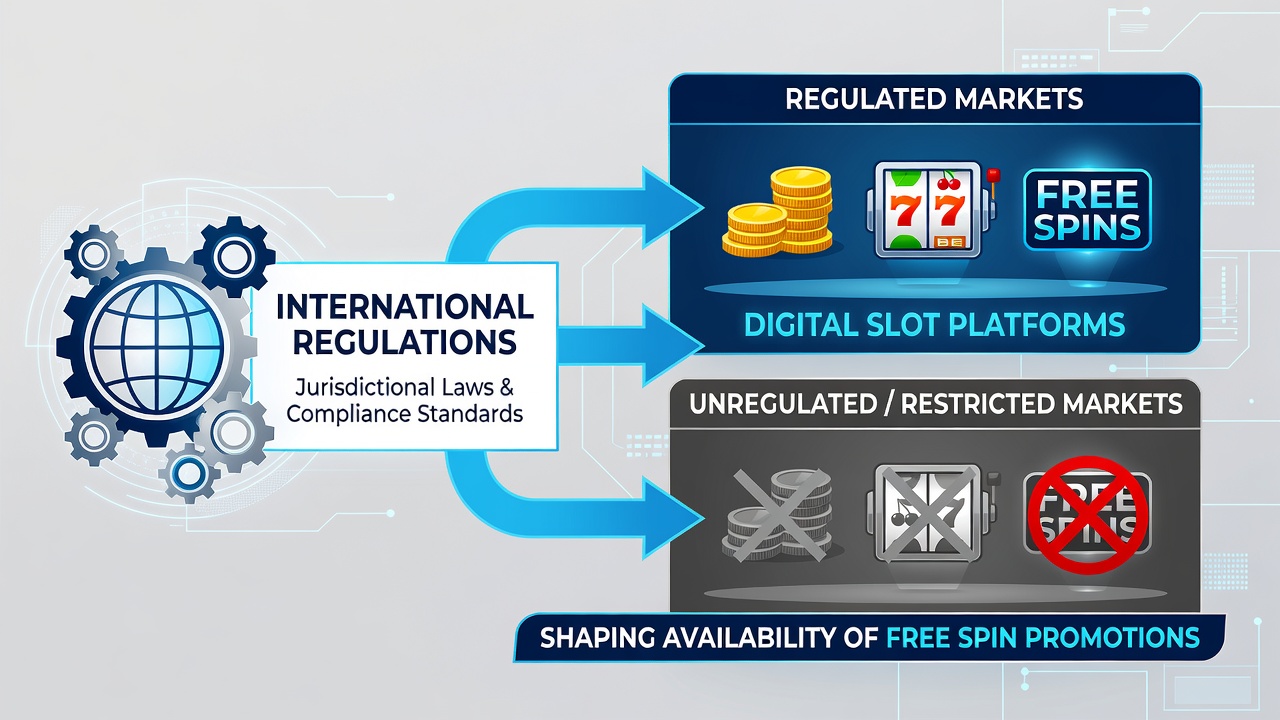
Recent developments in June 2026 highlighted ongoing efforts by regional bodies to harmonize certain standards, particularly around player fund segregation and bonus transparency reporting. Platforms have adjusted their systems accordingly, which has produced more standardized disclosure practices even as actual free spin quantities continue to differ by market. Those who've studied these shifts point out that operators now invest heavily in compliance technology to track regulatory changes in real time and modify offers before they reach prohibited audiences.
Impact on Platform Operations and Player Access
Operators respond to these international rules by implementing sophisticated geo-location tools and account verification protocols that determine which free spin promotions appear for individual users, and this segmentation directly reduces the uniformity of offers across the global market. Research indicates that platforms targeting multiple jurisdictions often maintain separate bonus libraries, each tailored to local requirements, which increases operational costs and sometimes results in fewer promotions overall. Case examples from major providers show that compliance teams review every campaign against dozens of regulatory checklists before deployment, a process that can extend timelines and limit spontaneous marketing initiatives.
Players encounter these effects through varying terms and conditions, where free spins in one country might carry lower wagering multipliers than identical offers elsewhere, or they might not appear at all due to local caps. External data from regulatory filings confirms that enforcement actions in multiple regions have prompted platforms to phase out certain high-value free spin deals in favor of smaller, more controlled incentives that align better with consumer protection priorities.
Conclusion
International regulations continue to define the boundaries within which free spin promotions operate on digital slot platforms, creating a landscape where availability depends heavily on location-specific rules and enforcement priorities. Platforms navigate these constraints through targeted compliance strategies that balance market reach with legal obligations, while players experience the outcomes in the form of differentiated access and terms. As regulatory environments evolve, the patterns of free spin distribution across borders are likely to shift in response to new directives and enforcement actions from authorities around the world.