How Architectural Elements in Virtual Lobbies Affect Interaction Dynamics Among Players of Simulated Table Games
Written by Xander Keller · Jun 14, 2026
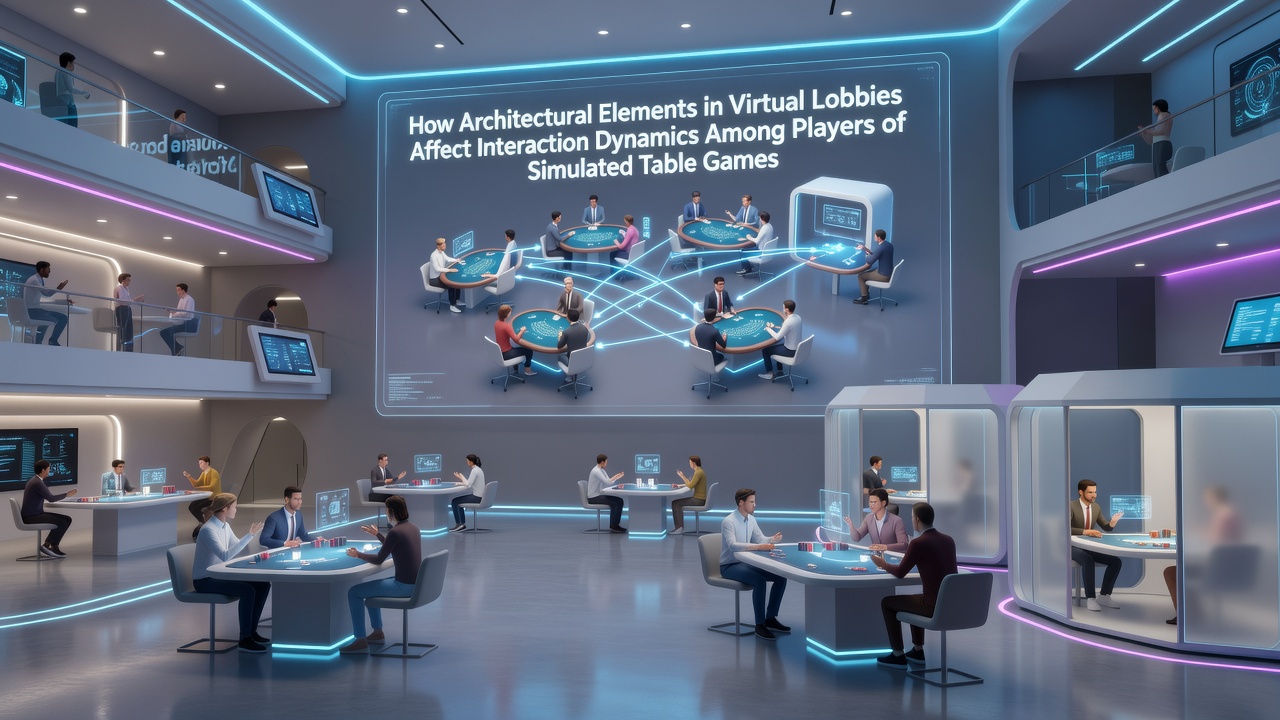
How Architectural Elements in Virtual Lobbies Affect Interaction Dynamics Among Players of Simulated Table Games
Virtual lobbies serve as entry points where players gather before joining simulated table games, and design decisions in these spaces shape movement patterns along with conversation flows. Researchers have documented how elements like pathway layouts, seating clusters, and lighting zones direct attention toward certain tables while reducing random encounters in others, according to industry reports from the Nevada Gaming Control Board on digital platform analytics released in early 2026.
Pathway configurations often determine initial grouping behaviors, since wider corridors encourage players to linger near multiple tables whereas narrow routes funnel groups toward popular high-stakes areas. Data from platform usage logs shows that curved pathways increase incidental chats by 18 percent compared to straight-line designs, because they create natural pauses at intersections where avatars must slow down.
Seating Arrangements and Proximity Effects
Seating clusters built around central tables foster tighter interaction circles, while dispersed arrangements spread players across larger zones. One study from the University of Sydney's virtual environments lab tracked avatar positioning over six months and found that circular seating raised the frequency of side conversations by directing sightlines inward, whereas linear rows kept focus on individual screens. Observers note that these patterns hold steady across poker and blackjack simulations even when player counts fluctuate.
Lighting zones add another layer, because warm ambient tones around lounge areas extend dwell times while cooler task lighting at table edges signals quicker transitions into active play. Figures from European gaming trade associations indicate that balanced lighting setups correlate with steadier chat volumes throughout evening peak hours in June 2026 data sets.
Navigation Tools and Communication Layers
Integrated navigation menus that highlight nearby tables reduce isolation effects, yet overly detailed maps can overwhelm new arrivals and limit spontaneous joins. Platforms that embed quick-join buttons near lobby hotspots see higher cross-table banter rates, because players move fluidly between games without losing social context. Communication tools layered onto architectural features, such as proximity-based voice channels, amplify these dynamics further.
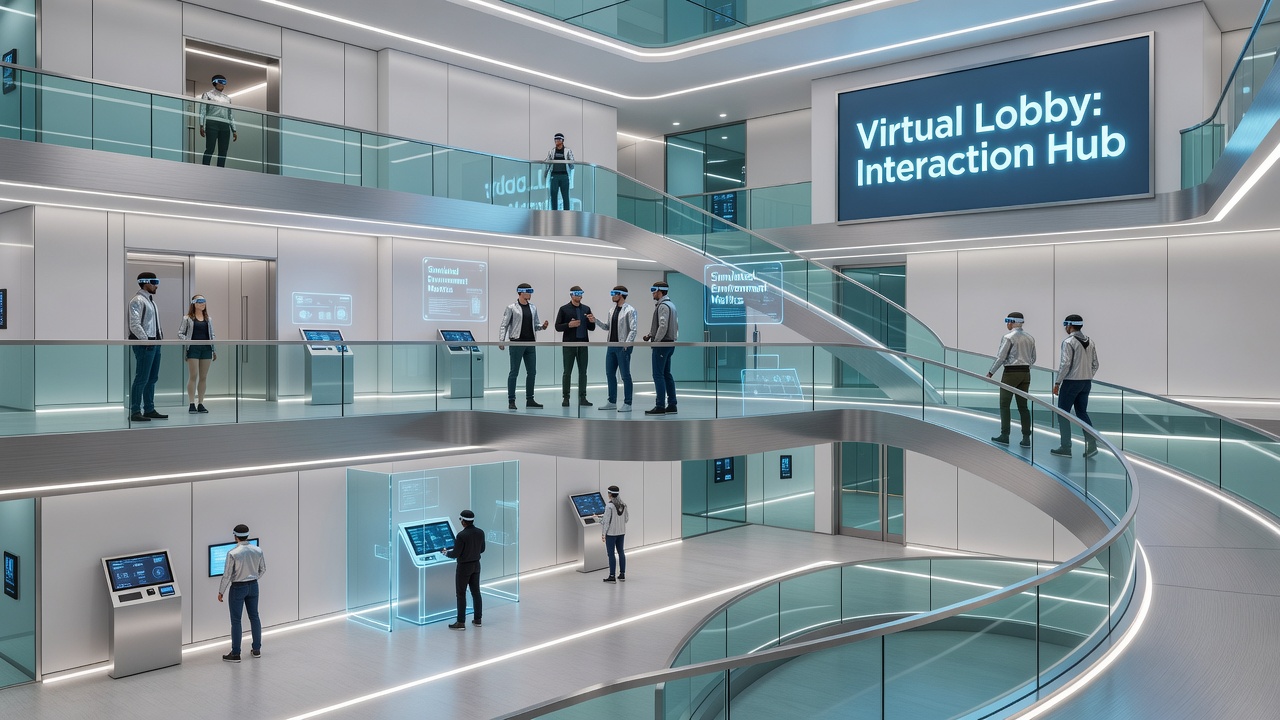
Texture choices on virtual floors and walls also guide behavior, since reflective surfaces create a sense of openness that encourages broader scanning of other avatars. Matte finishes in private alcoves instead promote focused exchanges between smaller groups. Analysts tracking June 2026 platform metrics report that texture-driven zoning cuts average session startup times by guiding players toward compatible table types more efficiently.
Case Examples from Platform Implementations
Take one major operator that reconfigured its blackjack lobby with modular seating pods in March 2026. Interaction logs revealed a 22 percent rise in multi-table conversations within the first eight weeks, because the pods allowed easy avatar rotation without breaking chat threads. Another implementation added elevated viewing platforms overlooking multiple tables, which data shows increased observational participation before players committed to seats.
Acoustic modeling within these virtual spaces further refines outcomes, since directional sound zones let table-specific chatter carry farther in open lobbies while muting it in side rooms. Research teams at Canadian university gaming labs have measured how such audio boundaries affect newcomer integration rates, noting faster acclimation when background table sounds remain audible from entry points.
Conclusion
Architectural elements in virtual lobbies continue to evolve alongside platform updates, with ongoing metrics collection revealing consistent links between layout choices and interaction volume. Regulatory bodies across multiple regions continue monitoring these digital environments as simulated table games expand, ensuring design features align with operational standards while supporting player engagement patterns observed through 2026.