Examining How Ambient Soundtracks Influence Session Lengths at Virtual Reel Platforms
Written by Logan Sullivan · Jun 4, 2026
Examining How Ambient Soundtracks Influence Session Lengths at Virtual Reel Platforms
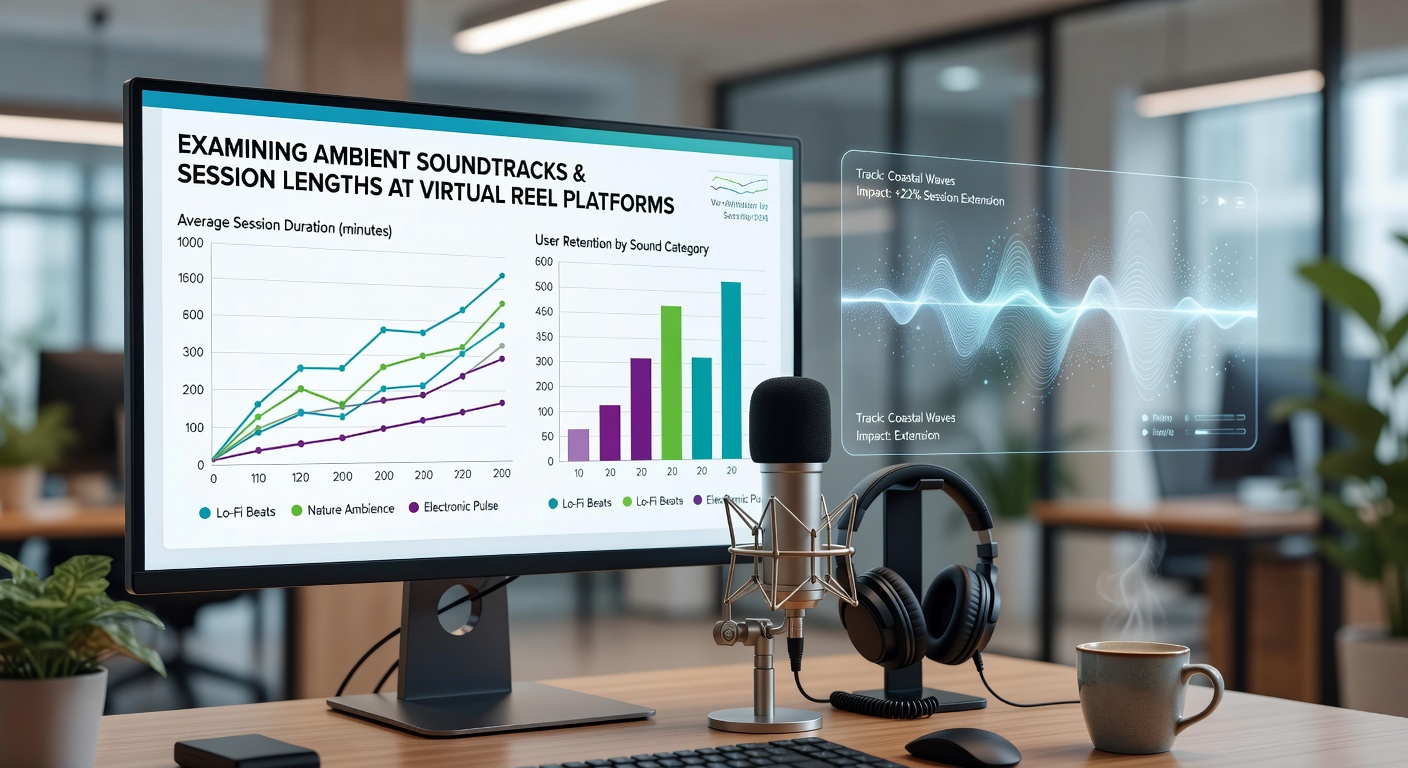
Virtual reel platforms rely on layered audio environments that blend background music, reel spin effects, and win chimes to shape player engagement, and researchers continue to track how these elements extend or shorten average session durations across digital casinos.
Core Components of Ambient Audio Design
Platform developers craft soundtracks with specific tempos, volumes, and harmonic structures that match reel mechanics, while players encounter options to adjust or mute tracks through in-game menus that record preference data over time. Studies from multiple regions show that mid-tempo loops between 90 and 120 beats per minute correlate with longer continuous play intervals because they align with natural heart rate patterns during low-stakes spinning. Sound engineers layer subtle rising tones during near-miss sequences, and telemetry from major operators indicates these cues keep reels turning for additional cycles even when payout frequency remains unchanged.
Research Findings on Time Perception
Analyses conducted by university teams reveal that familiar or moderately complex melodies reduce players' ability to accurately estimate elapsed time, leading to extended sessions that stretch beyond initial plans. Data collected in early 2026 from North American and European platforms demonstrated average session increases of 12 to 18 minutes when dynamic soundtracks replaced static loops, with the effect most pronounced among users aged 25 to 44. Observers note that platforms which introduced adaptive audio systems during the first half of the year recorded measurable upticks in total play minutes per active account.
Regional Data Patterns Emerging in 2026
Reports compiled by the Nevada Gaming Control Board adn cross-referenced with Australian operators show similar directional trends, although absolute numbers vary by market maturity and regulatory reporting requirements. In June 2026 several platforms updated their audio engines to include user-selected genre filters, and initial metrics suggest these customizations further stabilize session lengths by matching individual listening habits rather than imposing uniform tracks.
Mechanisms Driving Longer or Shorter Play
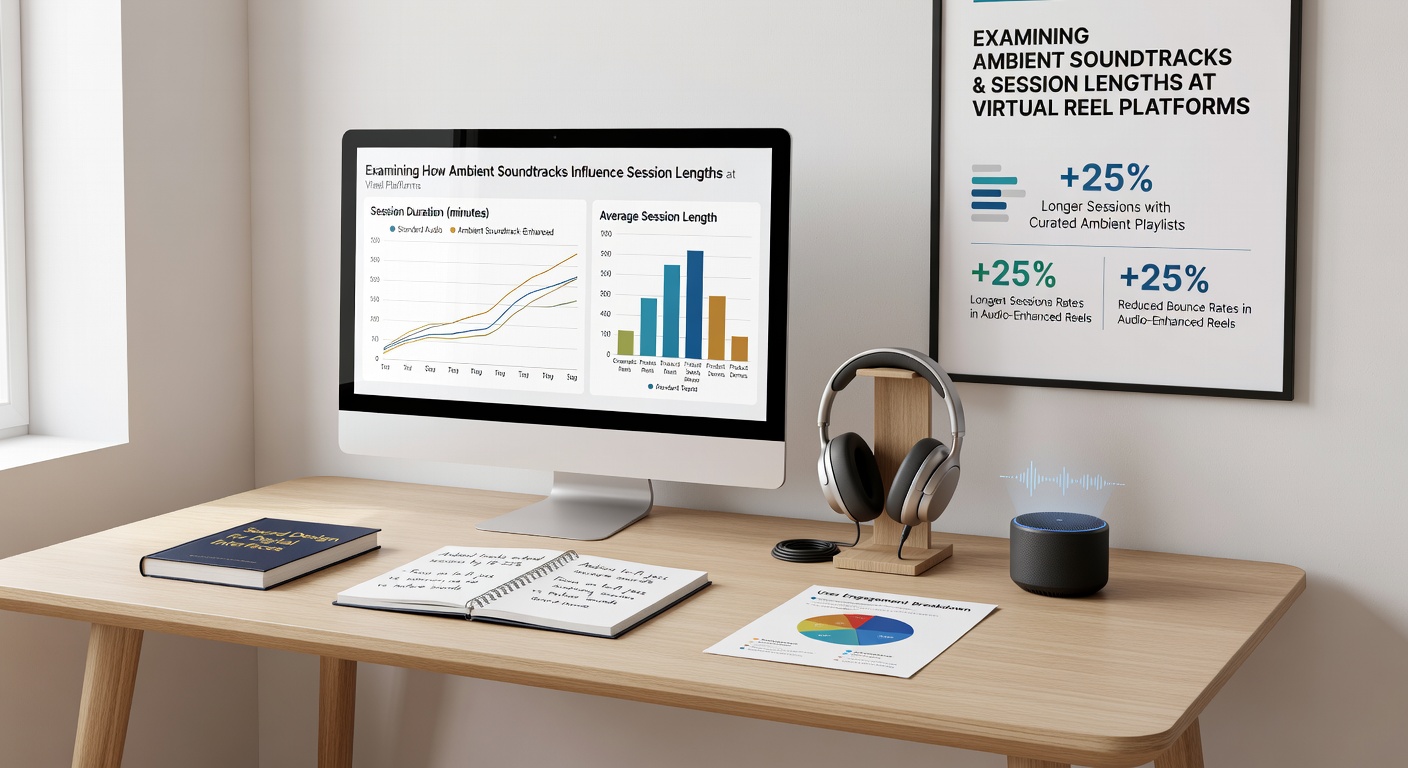
Volume modulation plays a documented role: gradual increases during bonus rounds sustain attention, whereas abrupt drops after losses can prompt quicker exits. Researchers at institutions including the University of Sydney have mapped these responses through controlled exposure tests, finding that consonant harmonies paired with positive auditory feedback extend play windows while dissonant cues tied to repeated small losses accelerate departure rates. Platform analytics further indicate that players who leave audio enabled maintain sessions 22 percent longer on average than those who disable sound entirely, although individual variance remains high.
Implementation Examples Across Operators
One major European-facing site introduced procedurally generated ambient layers in March 2026, allowing the soundtrack to shift key and intensity based on cumulative spin count, and internal logs showed a corresponding rise in median session duration without changes to return-to-player settings. Another operator based in Canada tested silence versus full audio on matched player cohorts and recorded the audio group completing 31 percent more spins before voluntary logout. These controlled comparisons provide operators with concrete benchmarks when deciding audio investment levels.
Player Controls and Behavioral Adjustments
Most platforms now surface volume sliders and mute toggles within the first three spins, and usage logs reveal that roughly 40 percent of sessions begin with some audio adjustment. Those adjustments frequently occur early, after which play proceeds uninterrupted for longer stretches. Educational materials distributed by responsible gaming organizations note that awareness of these audio cues can help users set time limits more effectively, yet the underlying influence on time estimation persists across user groups.
Conclusion
Ambient soundtracks function as measurable variables within virtual reel environments, with platform data and independent studies confirming consistent associations between audio characteristics and session length. Operators continue to refine these systems through iterative testing, while regulatory bodies in multiple jurisdictions monitor aggregated play metrics for signs of unintended extension effects. As audio technology advances, the relationship between soundtrack design and player behavior remains a focal point for both product teams and research groups tracking digital gambling patterns.