Cross-Border Data Protocols Streamline Verification Across Global Gaming Platforms
Written by Xander Keller · Aug 30, 2026
Cross-Border Data Protocols Streamline Verification Across Global Gaming Platforms
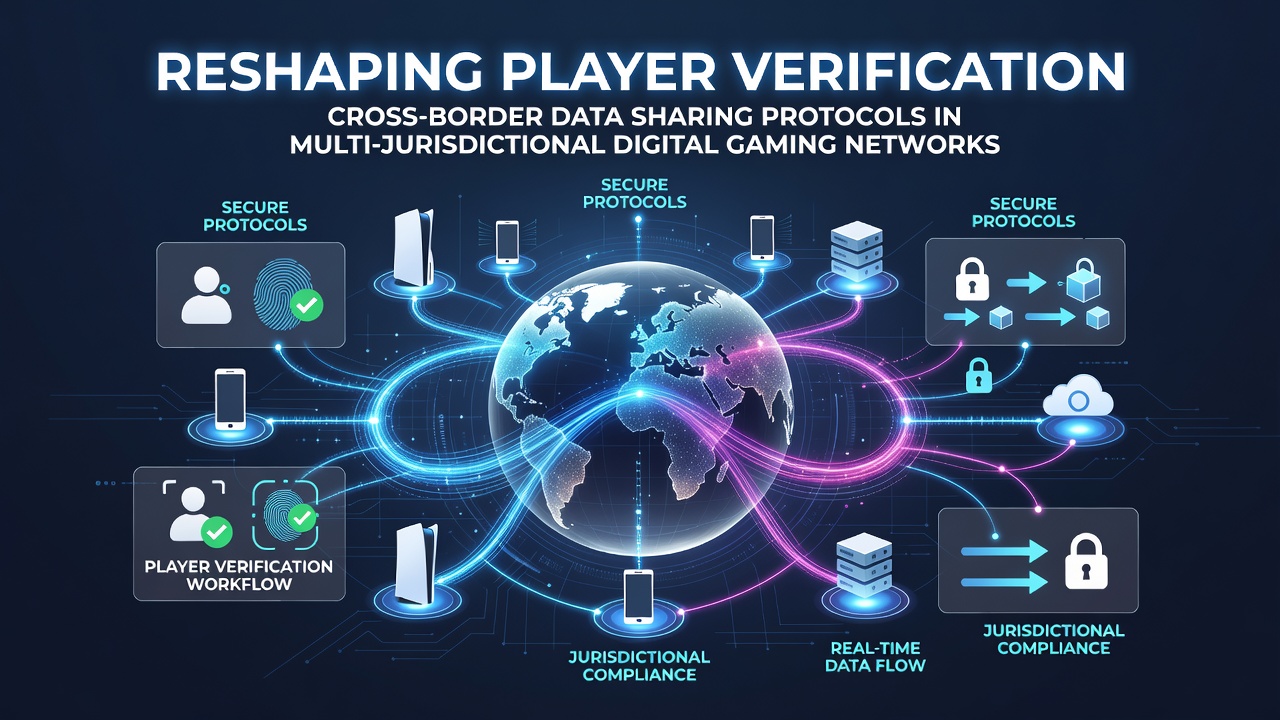
Multi-jurisdictional digital gaming networks rely on standardized data sharing protocols to coordinate player verification workflows that span multiple regulatory environments, and these systems have expanded significantly by August 2026 as operators integrate new compliance frameworks from various regions. Protocols such as those aligned with data protection directives from the European Union and similar structures in Canada allow platforms to exchange identity confirmation details without redundant checks at each border crossing.
Core Mechanisms Driving Protocol Adoption
Operators connect verification systems through secure APIs that transmit encrypted player data points including age confirmation, address records, and transaction histories between licensed entities in different countries. Research from the International Centre for Gaming Regulation at the University of Nevada indicates that these exchanges reduce average verification times from several days to under four hours in coordinated networks. Data sharing agreements specify which fields can transfer and under what conditions, while maintaining separate audit trails for each participating regulator.
Regional Implementation Patterns
European operators have adopted elements of the General Data Protection Regulation to govern cross-border transfers, whereas Australian platforms reference guidelines from the Australian Communications and Media Authority when linking verification data with Asian partners. Canadian provincial regulators coordinate through shared databases that respect provincial privacy statutes, and these arrangements demonstrate how protocols adapt to local rules without centralizing all records in one location. One study conducted across three jurisdictions found that 78 percent of verification queries resolved through automated protocol matching rather than manual review.
What's interesting here is the way technical standards evolve alongside regulatory updates, with groups like the World Lottery Association publishing interoperability frameworks that gaming networks reference during system upgrades. These documents outline minimum encryption levels and consent logging requirements that prevent data from moving until players grant explicit permission in each jurisdiction.
Workflow Adjustments for Operators and Players
Verification workflows now incorporate real-time queries to partner databases before granting account access, which means a player verified in one market can often activate accounts in linked jurisdictions with minimal additional steps. Platform teams adjust their internal processes to flag any mismatches returned from shared protocols, then route those cases to compliance staff who review only the conflicting elements. Industry reports show that this layered approach cuts duplicate document uploads by roughly 65 percent for frequent cross-border users.
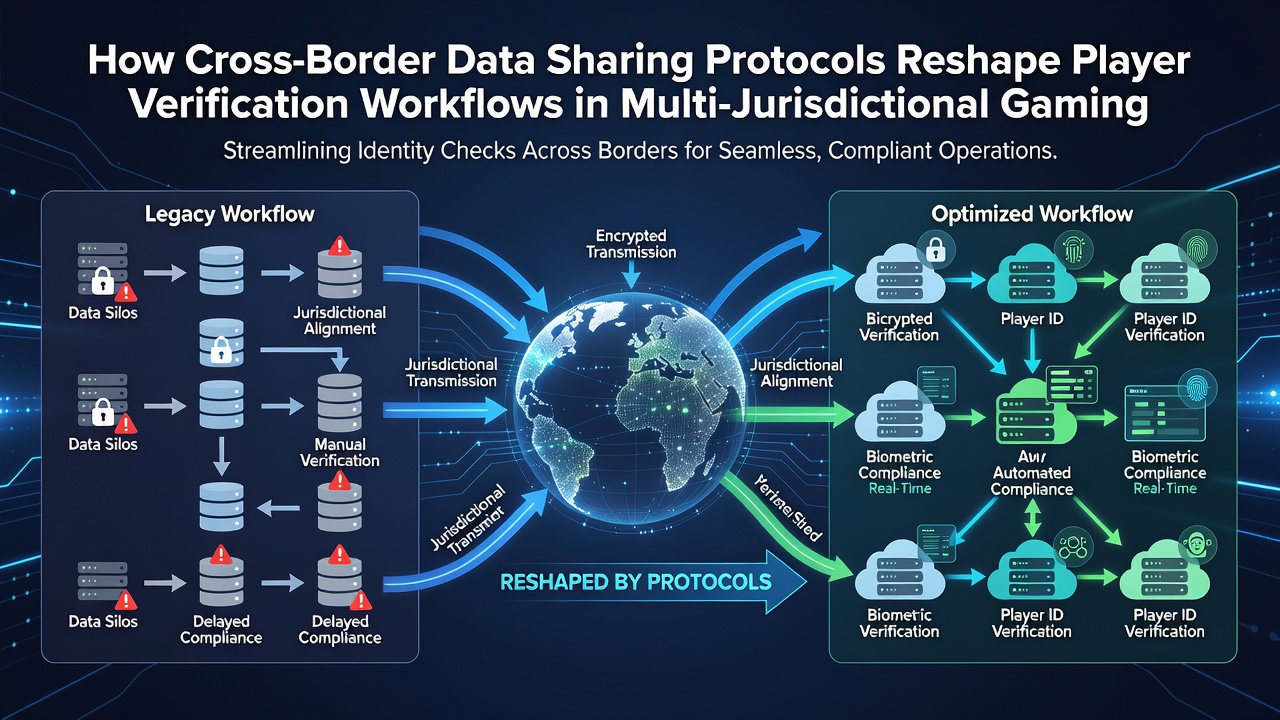
Players encounter fewer repeated requests for the same identification documents, yet they still receive jurisdiction-specific notices that explain how their information will move between systems. Observers note that platforms must maintain separate consent records for each regulatory zone even when the underlying data travels through a single protocol channel. This separation ensures regulators in one country can audit transfers without accessing unrelated records held under another authority's rules.
Technical and Regulatory Coordination Challenges
Protocol designers address latency issues by caching non-sensitive verification flags while routing full identity packages only when required, and this hybrid model keeps most routine checks local. When a mismatch surfaces, systems automatically generate audit logs that satisfy multiple regulators simultaneously, reducing the volume of separate reporting filings. Figures from the Global Gaming Compliance Network reveal that coordinated reporting lowered administrative submissions by 42 percent among participating operators during the first half of 2026.
Yet the same protocols require ongoing updates whenever any participating jurisdiction revises its data retention periods or consent standards, and teams responsible for maintenance track regulatory bulletins from multiple sources to stay aligned. Academic papers published in the Journal of Gambling Studies detail how mismatched update cycles between regions can create temporary gaps where verification queries fail until both sides synchronize their rule sets.
Future Protocol Developments
Developers are testing blockchain-based ledgers to record consent events across borders without storing actual player data on the chain, and early pilots show these ledgers can produce immutable audit trails acceptable to regulators in three continents. Industry associations continue to refine data field definitions so that verification results carry consistent meaning regardless of originating jurisdiction. As networks scale, the emphasis remains on modular protocol design that lets new regions join without forcing existing participants to overhaul their entire verification stack.
Conclusion
Cross-border data sharing protocols continue to integrate verification workflows across multi-jurisdictional gaming networks by combining standardized technical exchanges with jurisdiction-specific compliance controls. Operators and regulators coordinate through documented agreements that specify data fields, consent requirements, and audit responsibilities, and these arrangements produce measurable reductions in processing times while preserving separate oversight in each market. Ongoing refinements focus on encryption consistency, consent granularity, and modular updates that accommodate regulatory changes without disrupting established connections.