Biometric Monitoring Systems Reshaping Security in Modern Casinos
Written by Felix Lorenz · Jul 9, 2026
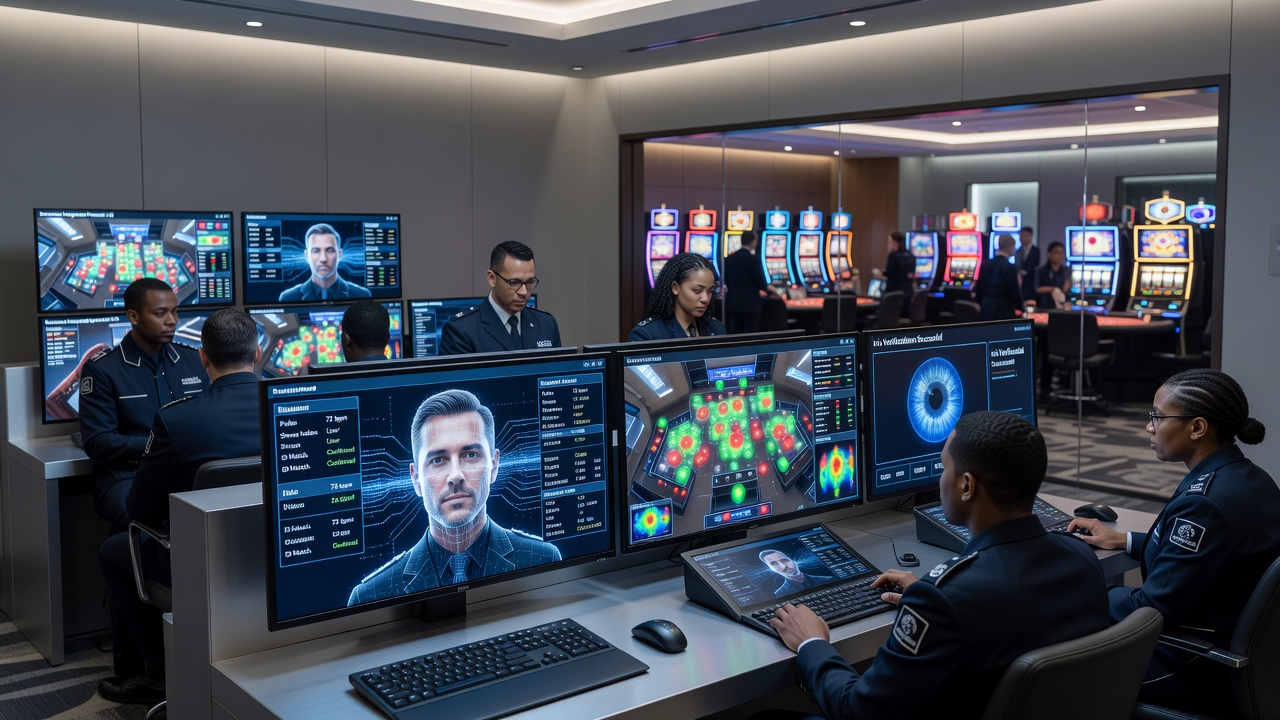
Biometric Monitoring Systems Reshaping Security in Modern Casinos
Biometric monitoring systems have moved from experimental pilots into core components of casino security architectures, combining facial recognition, fingerprint scanning, and behavioral analytics to verify identities and detect anomalies in real time. These tools operate alongside traditional surveillance cameras and access controls, creating layered defenses that address cheating, unauthorized entry, and financial crime risks. In July 2026, several large properties in Nevada and New Jersey reported expanded deployments after regulators updated verification standards for high-volume gaming areas.
Core Technologies Driving the Shift
Facial recognition remains the most widely adopted modality because it works at distance without requiring patrons to pause at kiosks, whereas fingerprint and palm-vein readers serve controlled access points such as cash cages and high-limit rooms. Systems fuse multiple data streams, matching live captures against watch lists compiled from prior incidents, regulatory databases, and self-exclusion programs. Algorithms flag deviations in gait, dwell time, and betting patterns that may indicate collusion or money laundering, then route alerts to security personnel through integrated dashboards.
Integration Points Within Existing Protocols
Modern installations connect biometric outputs directly to property management systems, slot accounting platforms, and anti-money laundering software, allowing a single verified identity to trigger appropriate responses across departments. When a patron on a sanctions list enters the gaming floor, the system can automatically restrict machine access, notify compliance teams, and preserve video segments for review. Integration also supports responsible gaming measures: players who have requested limits receive real-time prompts or temporary lockouts without manual intervention by staff.

Regulatory Landscape and Data Handling
Operators must balance security gains against privacy statutes that differ by jurisdiction. The Nevada Gaming Control Board requires documented retention limits and audit trails for biometric templates, while Singapore's Casino Regulatory Authority mandates annual third-party assessments of matching accuracy and bias testing. Data minimization practices have become standard: raw images convert to encrypted templates that cannot be reverse-engineered into usable photographs, reducing exposure if systems are compromised. According to industry association summaries, properties that adopted these protocols in 2025 recorded measurable drops in disputed transaction reviews.
Operational Examples Across Regions
One Atlantic City property linked its biometric network to state exclusion lists, enabling automatic detection of individuals prohibited from gaming activities; the same platform cross-checks against federal watch lists to support Bank Secrecy Act compliance. In Macau, integrated facial systems at table game pits have reduced the time required to confirm VIP identities from minutes to seconds, streamlining credit issuance while maintaining audit records. Canadian operators have tested mobile biometric units for tournament registration, cutting paperwork and creating digital chains of custody for large prize pools. Researchers at the University of Nevada, Reno documented accuracy rates above 99 percent under controlled lighting conditions, noting that performance dips when crowds create occlusions or when masks and hats obscure key facial landmarks.
Emerging Challenges and Mitigation Steps
Lighting variations, demographic bias in training datasets, and evolving deepfake technology present ongoing technical hurdles. Facilities counter these issues through continuous model retraining, multi-factor confirmation at high-risk transactions, and fallback to manual verification when confidence scores fall below preset thresholds. Cybersecurity teams isolate biometric servers on segmented networks with strict access logging, and some jurisdictions now require breach notification timelines measured in hours rather than days. Collaboration with academic labs has produced standardized testing suites that evaluate false positive and false negative rates across skin tones and age groups, giving regulators clearer benchmarks for approval.
Conclusion
Biometric monitoring continues to embed itself into daily casino operations through tighter system linkages and clearer regulatory expectations. Properties that align technical capabilities with privacy requirements and staff training see smoother enforcement of security policies while maintaining patron throughput. As template standards mature and cross-border data-sharing agreements expand, the same frameworks that now focus on risk detection may also support frictionless loyalty experiences and more precise responsible gaming interventions.